Why Add a Basket to Your Bike?
Ask anyone who rides with one regularly and they'll tell you the same thing: they wonder how they managed without it. A bike basket turns your bicycle from a pure exercise machine into an actual vehicle — something useful for real life.
The most obvious benefit is that you stop carrying weight on your body. No more backpack straps cutting into your shoulders on the way to work. No more juggling grocery bags on your handlebars. A good basket handles the cargo so you can focus on the ride.
Beyond practicality, there's something aesthetically pleasing about a well-chosen basket. A wicker front basket on a classic city bike has real charm. A sleek aluminum rear basket on a modern commuter looks polished and intentional. Baskets add personality in a way that panniers and saddle bags often don't.
The Main Types of Bike Baskets
Front Baskets
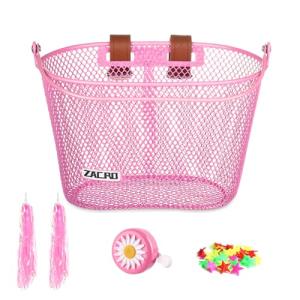
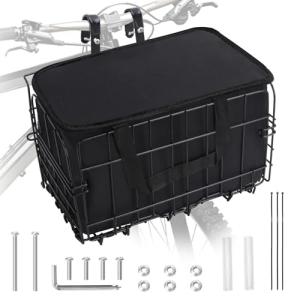
Front baskets mount at the front of the bike, either directly to the handlebars or to a front rack or head tube. They're the most popular style for good reason — everything you've packed stays right in your line of sight, making them perfect for grabbing your phone, snacking on the go, or keeping a close eye on fragile cargo like takeout containers or a camera.
The trade-off is handling. When you load up a front basket, the extra weight on the handlebars changes how the bike steers. This is especially noticeable at slow speeds, when starting, or when navigating tight turns. Handlebar-mounted front baskets are typically safe for loads up to around 10–15 lbs. If you want to carry heavier loads up front, look for a frame-mounted or head-tube-mounted option — these attach directly to the bike's frame rather than the handlebars, so the basket doesn't rotate when you turn, which keeps handling much more stable and allows for higher weight limits.
Front baskets are ideal for: phone and daily essentials, small grocery runs, pet carriers, light lunch bags, and anyone who values quick access to their cargo.
Rear Baskets
A rear rack basket mounts to the top of a rear cargo rack (which you'll need to purchase separately if your bike doesn't already have one). Because the weight sits over the rear wheel rather than on the handlebars, rear baskets have almost no effect on steering — making them the go-to choice for heavier loads.
Rear baskets can typically handle significantly more weight than front options. Many quality rear baskets are rated for 40–55 lbs depending on your rack's rating, making them a better fit for serious grocery hauls, work bags, or gear-heavy commutes. The downside is that you can't see your stuff while riding, and the elevated weight can make the bike feel a little top-heavy when you're cornering at speed.
Before buying a rear basket, check that your bike has a rear rack with a flat mounting surface, and always note the rack's weight limit — your basket is only as useful as the rack beneath it.
Rear baskets are ideal for: grocery shopping, commuting with a laptop or work bag, longer rides where stability matters, and anyone replacing a backpack.
Handlebar Bag-Style Baskets
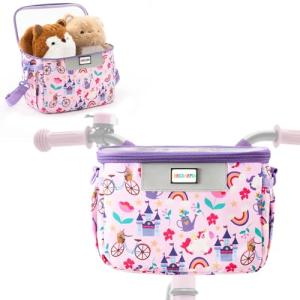
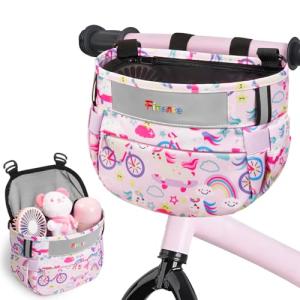
A middle-ground option, these soft-sided or semi-rigid baskets clamp to the handlebar stem and are typically smaller and lighter. They're better suited for essentials — your wallet, keys, phone, snacks — rather than serious cargo. They're particularly popular on city bikes and e-bikes because they're easy to remove, take into a café or office, and keep your most-reached-for items at arm's reach.
Collapsible and Quick-Release Baskets
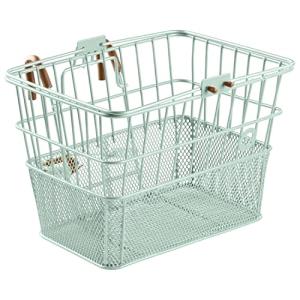
Many modern baskets feature a quick-release mechanism that lets you pop the basket off its mount in seconds and carry it like a shopping basket. This is incredibly handy for grocery runs — load up at the store, clip it back onto the bike, and you're done. Collapsible styles fold flat when not in use, which is useful if you only need a basket occasionally and don't want the bulk on the bike all the time.
Basket Materials: What Are They Made Of?
The material your basket is made from affects weight, durability, weather resistance, style, and price. Here's how the main options compare.
Steel is the workhorse of the basket world. It's strong, holds heavy loads well, and tends to be affordable. The downside is that untreated steel can rust, so look for powder-coated or galvanized finishes if you plan to ride in wet conditions. Steel baskets with mesh or wire designs are especially practical because small items don't fall through but debris doesn't accumulate either.
Aluminum gives you the best of both worlds: lightweight and rust-resistant. It's the preferred material for riders who prioritize longevity without the weight penalty. Aluminum baskets tend to cost a bit more than steel but last considerably longer with minimal maintenance.
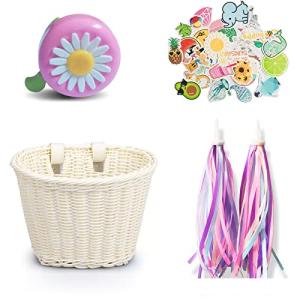
Wicker and rattan are the classic choice, and they still look absolutely beautiful on a cruiser or vintage-style city bike. Wicker baskets are light and charming, but they're less durable than metal, can soften and warp in heavy rain, and typically hold lighter loads — usually up to around 11–18 lbs. If you're riding in dry climates and want something with old-school appeal, wicker is hard to beat. For wetter climates or heavier use, a lined wicker basket with a waterproof insert can extend its life significantly.
Plastic and composite options are lightweight and fully weatherproof, but they often sacrifice the strength needed for heavier loads. They're best suited for light everyday use and are commonly found on children's bikes and casual city riders.
Mounting Systems: Getting This Right Matters
The mounting system is arguably the most important factor when choosing a basket. Get it wrong and you end up with something wobbly, ill-fitting, or incompatible with your bike entirely.
Handlebar clamps are the most common. They use a metal clamp to attach to your handlebars and are usually the easiest to install without tools. Before buying, check your handlebar diameter — the two most common sizes are 7/8 inch and 1 inch — and confirm there's enough clear space on the bar between your grips and any controls or displays.
Fork-mounted and axle-mounted baskets attach to your front fork's eyelets or axle, distributing weight lower and more stably than handlebar mounts. This setup allows for heavier loads and gives you better handling.
Head tube and frame-mounted systems bolt to mounting points on your bike's frame and are the most stable option for front baskets. Because the basket is attached to the frame rather than the handlebars, it doesn't turn when you steer — a significant improvement in handling with a full load. These require specific mounting points on your frame, so check compatibility before purchasing.
Rear rack mounting uses bolts, straps, or integrated clips to attach the basket to the top of a standard rear rack. Most rear baskets are broadly compatible with standard rack widths, but it's worth double-checking measurements and making sure your rack is rated for the weight you plan to carry.
How Much Weight Can a Bike Basket Hold?
Weight capacity varies quite a bit by basket type and mounting style. As a general guide:
- Handlebar-mounted front baskets are typically safe for 10–15 lbs. Exceeding this can make steering unsafe.
- Frame or fork-mounted front baskets can often handle 20–30 lbs, sometimes more on robust systems.
- Rear rack baskets are limited primarily by your rack's rating, but many quality options support 40–55 lbs.
- Classic wicker baskets typically max out around 11–18 lbs.
Always respect the manufacturer's weight limit. Overloading — especially a handlebar-mounted basket — can make the bike genuinely difficult to control.
Choosing the Right Basket for Your Riding Style
For the daily commuter: A rear basket is probably your best bet. It holds more, doesn't mess with your steering, and can swallow a backpack whole so you can ditch it entirely. If you want front access too, a smaller handlebar bag for your phone and essentials pairs well.
For grocery runs: Either a large rear basket or a frame-mounted front basket with a quick-release system works well. The quick-release option is particularly convenient — you can unclip the whole basket and take it inside the store.
For casual weekend rides: A wicker or rattan front basket looks beautiful and handles light loads with ease. Great for a picnic lunch, a blanket, and a water bottle.
For e-bike riders: Pay extra attention to handlebar clearance. E-bikes often have displays, throttles, and more controls taking up handlebar real estate. A frame-mounted or fork-mounted front basket may be a smarter choice to avoid compatibility issues.
For carrying a small pet: Look for baskets designed specifically for pets, with padded interiors, tether attachment points, and a secure top or cover. Standard wire baskets work for some animals, but a purpose-built pet basket gives everyone a safer, more comfortable ride.
Tips for Getting the Most Out of Your Basket
Keep loads within the weight limit — it's tempting to throw everything in, but overloading affects handling and puts stress on your mounting hardware. Use a cargo net or bungee cords to keep items from shifting or bouncing out on rough roads, especially if your basket has large openings. For small loose items, put them in a bag first and then place the bag in the basket so the net has something to grip.
Check your mounting hardware periodically. Vibration from riding gradually loosens bolts, and a loose basket is both noisy and unsafe. A quick monthly tightening is all it usually takes. If your basket rattles, adding foam tape or rubber strips at the contact points between the basket and the frame solves the problem immediately.
For wet weather riding, a metal basket with a rust-resistant coating or finish is your safest choice. If you love the look of wicker, a waterproof liner or basket cover will protect both the basket and your cargo when rain comes.
A bike basket isn't a luxury — for many riders, it's what transforms cycling from a fitness activity into a genuinely practical way to get through daily life. The right basket means you leave the car at home more often, carry your groceries without stressing your back, and arrive places without being soaked in sweat from a heavy bag.
Take a moment to think about how you'll actually use it. Front or rear? Metal or wicker? Quick-release or fixed? Once you answer those questions honestly, the choice becomes simple — and once it's on your bike, you'll wonder why you waited so long.