Tricycle bikes are a fantastic choice for anyone looking for stability and ease while riding. Whether you’re cruising around the neighborhood or running errands, these bikes make it easy to enjoy the great outdoors. With their roomy design and sturdy construction, you can feel confident and comfortable on every ride.
Tricycle Bikes for Adults
Find the perfect tricycle bike for fun rides and easy handling
Product List
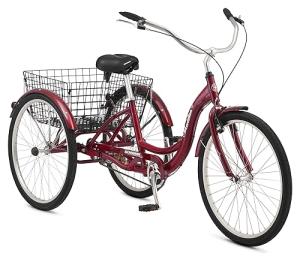
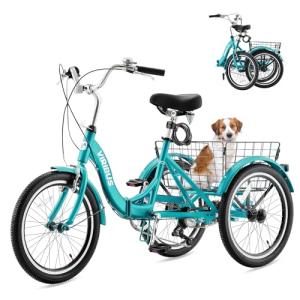
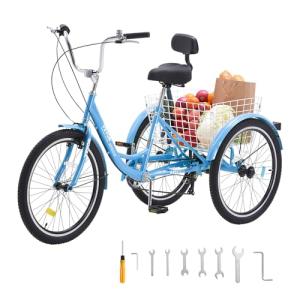
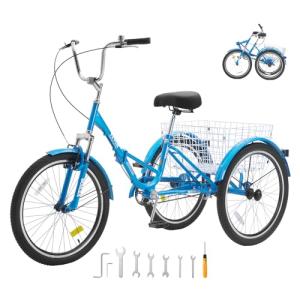
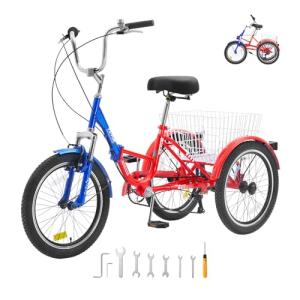
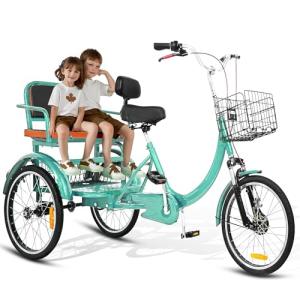
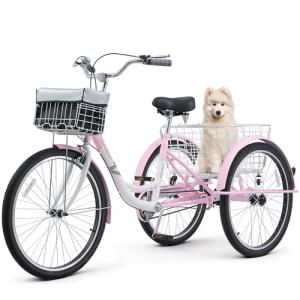
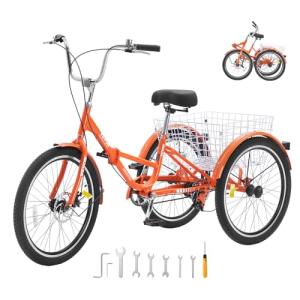
VEVOR Folding Adult Tricycle, 20-Inch Adult F...
Product Review Score
4.15 out of 5 stars
73 reviews$269.99 $246.90
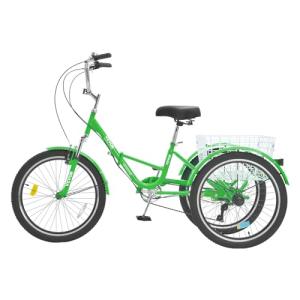
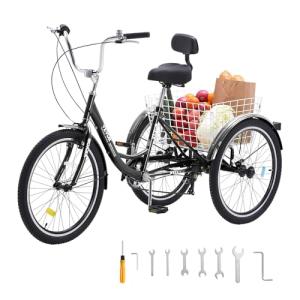
VEVOR Folding Adult Tricycle, 24-Inch 7-Speed...
Product Review Score
4.72 out of 5 stars
162 reviews$229.99
What Is an Adult Tricycle?
An adult tricycle — sometimes called a trike — is a human-powered three-wheeled vehicle designed for riders 18 and older. Unlike a standard bicycle, a tricycle has two rear wheels (or occasionally two front wheels) that provide a wide, stable base. This eliminates the need to balance while riding or standing still, which is one of the most significant advantages for many riders.
Modern adult tricycles are a far cry from the clunky, oversized contraptions people might remember from decades past. Today's models are thoughtfully engineered with lightweight aluminum frames, precision gear systems, ergonomic seating, and features like electric-assist motors, cargo baskets, and hydraulic disc brakes. They're genuinely capable machines — not just novelties.
Who Are Adult Tricycles For?
One of the most common misconceptions about adult tricycles is that they're only for elderly riders or people with disabilities. The reality is far more interesting. Adult trikes attract a wide, diverse group of people for many different reasons.
Seniors and older adults are certainly a major audience. As balance and coordination naturally change with age, the stability of a tricycle allows people to keep cycling well into their 70s, 80s, and beyond. Many riders who gave up cycling years ago find themselves back on the road — and genuinely loving it — after switching to a trike.
Riders with physical limitations benefit enormously from the hands-free stability a tricycle provides. People managing arthritis, Parkinson's disease, inner ear disorders, joint replacements, or recovering from injury often find that a tricycle opens up cycling in a way that a two-wheeled bike simply cannot.
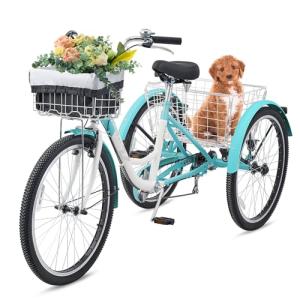
Everyday commuters and errand runners appreciate the cargo capacity of a tricycle. Many models come equipped with rear baskets large enough to carry groceries, work bags, or even small pets. No more struggling to balance a loaded pannier on a bike — just load up and ride.
Casual recreational riders who want to enjoy the outdoors without the intensity of traditional cycling love tricycles for their laid-back, unhurried feel. They're perfect for bike paths, beachside trails, neighborhoods, and parks where the goal is enjoyment rather than speed.
Electric tricycle enthusiasts — a rapidly growing community — are drawn to e-trikes for their ability to tackle hills and longer distances with minimal effort, combining the joy of cycling with the practicality of light electric vehicles.
Types of Adult Tricycles
The adult tricycle market has expanded significantly, and today you'll find several distinct categories to choose from.
Standard Upright Tricycles
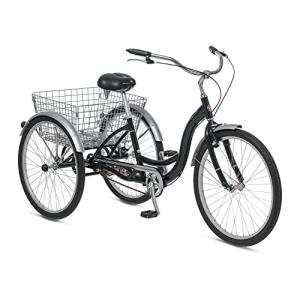
The most traditional design features an upright riding position, a rear cargo basket, and a step-through or diamond frame. These are the workhorses of the tricycle world — practical, durable, and accessible. Most riders new to tricycles start here. They're excellent for neighborhood riding, light trail use, and everyday errands, and they tend to be the most affordable entry point into the category.
Recumbent Tricycles
Recumbent trikes put the rider in a reclined, low-to-the-ground position with the legs extended forward rather than down. This body position distributes weight more evenly, reduces strain on the lower back and wrists, and creates a surprisingly aerodynamic silhouette. Recumbent trikes are popular among riders who deal with back pain, as well as longer-distance cyclists and touring enthusiasts who prioritize comfort over long hours in the saddle. They handle beautifully on flat terrain and are genuinely fun to pilot.
Electric Tricycles (E-Trikes)
Electric tricycles are one of the fastest-growing segments in the entire cycling market. They work just like electric bicycles — a battery-powered motor assists the rider's pedaling, reducing effort on hills and over longer distances. E-trikes are ideal for riders who want to cover more ground, for those who may not have the stamina for a full pedal-powered ride, or for commuters who want to arrive without breaking a sweat. Battery range varies widely between models, but most quality e-trikes offer between 20 and 60 miles per charge, depending on assist level and terrain.
Folding Tricycles
For riders who need portability, folding tricycles collapse down to a more manageable size for transport or storage. They're especially useful for apartment dwellers with limited storage space, or for riders who want to transport their trike in a car or RV. Folding trikes tend to be slightly heavier than non-folding counterparts due to the additional hardware, but the convenience factor makes them worth the trade-off for many people.
Cargo Tricycles
Built with heavy-duty frames and extra-large carrying capacity, cargo trikes are purpose-built for transporting loads. Some feature a front cargo box (bakfiets style), while others have extended rear platforms or deep rear bins. Small business owners, urban delivery riders, and parents who want to carry children have all found cargo trikes to be surprisingly capable alternatives to a car for short-distance hauling.
Key Features to Look for When Buying an Adult Tricycle
Choosing the right tricycle comes down to matching the bike's features to your specific needs and riding habits. Here are the most important factors to consider.
Frame Material and Weight
Most quality adult tricycles are built with aluminum alloy frames, which offer an excellent balance of strength and light weight. Steel frames are heavier but very durable and tend to absorb road vibration well. If you plan to load cargo or need to lift the trike into a vehicle, frame weight matters more than it might seem at first glance.
Gear System
For flat terrain and leisurely neighborhood rides, a single-speed trike works perfectly fine. But if you live in a hilly area or plan to ride longer distances, a multi-speed drivetrain — typically 7, 21, or more speeds — makes a significant difference in comfort and efficiency. Look for quality shifters from reputable brands that are easy to operate, especially if hand dexterity is a concern.
Brakes
Entry-level trikes typically use rim brakes, which are effective in dry conditions and easy to maintain. Mid-range and premium models often feature disc brakes — either mechanical or hydraulic — which offer more reliable stopping power in all weather conditions and require less hand strength to operate. For riders who plan to carry cargo or ride on hills, disc brakes are worth the investment.
Seat Comfort
A wide, cushioned saddle is standard on most adult tricycles, and for good reason — comfort is a primary selling point of the category. Look for seats with extra padding or memory foam, and check whether the saddle height is easily adjustable to fit your body. Some models offer seats with backrests, which add lumbar support for longer rides.
Handlebar Style
Upright, swept-back handlebars encourage a relaxed, natural riding posture that's easier on the shoulders, neck, and wrists. Flat or drop handlebars are less common on adult trikes but appear on sportier models. If you have any upper body limitations, prioritize a trike with ergonomic grip positions and adjustable handlebar height.
Wheel Size
Wheel diameter affects both ride quality and stability. Smaller wheels (20–24 inches) create a lower center of gravity and make the trike easier to maneuver in tight spaces. Larger wheels (26 inches and above) roll more smoothly over bumps and maintain momentum better on longer rides. Your height and riding environment should guide this choice.
Cargo Capacity
Most adult tricycles come with at least a rear basket. Check the maximum load rating — anywhere from 30 to 100+ pounds depending on the model — if you plan to use the trike for shopping or hauling. Some models allow for additional baskets or panniers.
Benefits of Riding an Adult Tricycle
Beyond the obvious stability advantage, adult tricycles deliver a genuinely impressive list of physical and lifestyle benefits.
Low-impact exercise is one of the biggest draws. Cycling is famously gentle on the joints compared to walking or running, making it an excellent form of cardiovascular exercise for people managing arthritis, osteoporosis, or post-injury recovery. Regular trike riding builds leg strength, improves circulation, and supports heart health without punishing the body.
Mental health and wellbeing benefits from time outdoors and gentle physical activity are well-documented. Many riders report that tricycle riding reduces stress, lifts mood, and provides a sense of independence and freedom that meaningfully improves quality of life — particularly for older adults or those who have become more sedentary.
Sustainability and cost savings come into play for riders who use their trike for transportation. Replacing short car trips with trike rides reduces fuel costs, eliminates parking hassles, and contributes to a smaller environmental footprint.
Social connection is an underrated benefit. Tricycle riding groups, community rides, and cycling clubs exist in most areas and welcome trike riders. Cycling is an inherently social activity when you want it to be.
How to Get Started
If you're new to adult tricycles, the transition from two wheels (or no wheels) is straightforward, but there is a small learning curve. Tricycles handle differently from bicycles — they don't lean into turns the way a bike does, so taking corners at speed requires a bit of adjustment. Most riders feel completely comfortable within the first few rides.
Start on flat, open ground — a quiet parking lot or empty bike path works well — and spend 15–20 minutes getting familiar with how the trike turns, brakes, and responds to your pedaling. You'll quickly develop a feel for it, and most riders are surprised by how natural and intuitive it becomes.
Wear a helmet regardless of your speed or experience level. Comfortable, flat-soled shoes work well for most trike riding. If you plan to ride at dawn, dusk, or in lower-light conditions, front and rear lights are essential safety equipment.
Maintenance Tips to Keep Your Trike Rolling
Adult tricycles are generally straightforward to maintain, especially models with fewer components. Keep the chain clean and lubricated, check tire pressure before each ride, and inspect the brake pads periodically for wear. Cables stretch over time — especially on new bikes — so having a local bike shop perform an initial tune-up after the first few months is a smart investment. Store your trike indoors or under a weather cover to protect the frame and components from rust and UV damage.
Three Wheels, Endless Possibilities
Adult tricycles represent something more than just a practical alternative to a standard bicycle. They represent access — to exercise, to outdoor experiences, to independence, and to the simple joy of moving through the world under your own power. They level the playing field for riders who might otherwise feel left behind by the two-wheeled cycling world, and they offer something genuinely appealing to anyone who values comfort, function, and a more relaxed pace of life.
Whatever your reason for exploring adult tricycles, one thing tends to be universally true among riders who make the switch: they wonder why they waited so long.