What Is a Cycling Computer?
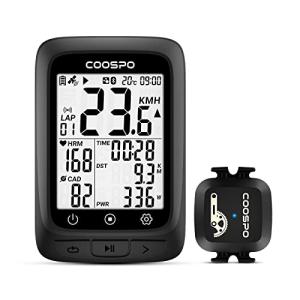
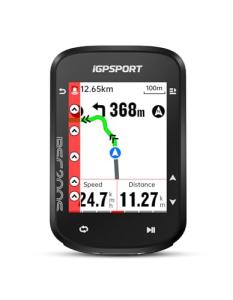
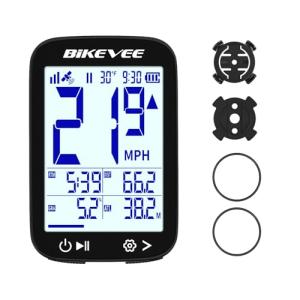
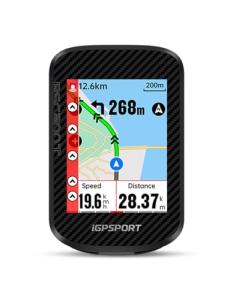
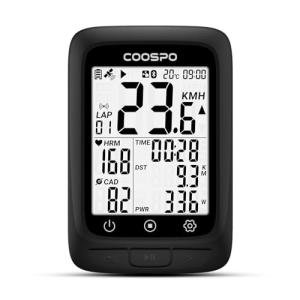
At its core, a cycling computer is a handlebar-mounted device that records and displays data from your ride. The simplest models show speed, distance, and time. The most advanced ones are essentially small smartphones dedicated entirely to cycling — complete with color touchscreens, turn-by-turn navigation, live performance coaching, and connectivity to a dozen different sensors at once.
Most modern cycling computers fall into the GPS category, meaning they use satellite signals to track your position and calculate speed and distance without needing any wheel sensor at all. This makes switching the unit between bikes incredibly easy — no sensors to move, no calibration required. Just mount it and go.
GPS Computers vs. Basic Wired/Wireless Units
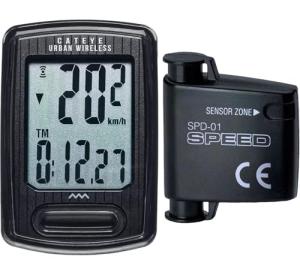
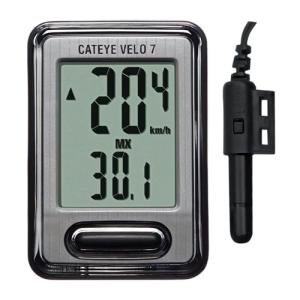
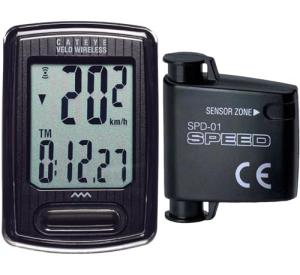
If you're just getting started and want something simple, basic wired or wireless bike computers still exist and still make sense for some people. They're cheap, they never need charging, and they tell you how fast you're going. For a city commuter who just wants to know their pace, that might honestly be enough.
But for most cyclists who want more — whether that's navigation, performance tracking, or sensor connectivity — a GPS computer is the way to go. The data is richer, the functionality is far deeper, and the lack of wheel sensors means the whole setup is much cleaner and more versatile.
The Core Features to Look For
GPS and Navigation
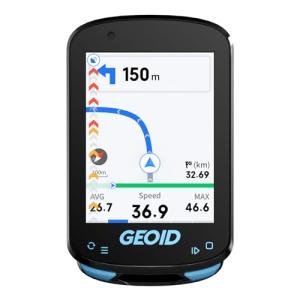
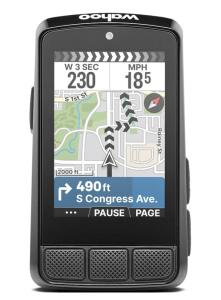
Navigation has become one of the defining features of a good cycling computer. Entry-level GPS units offer breadcrumb navigation — a simple line on a basic map that keeps you on course. Step up to a mid-range or premium device and you get full preloaded maps with turn-by-turn directions, points of interest, rerouting when you miss a turn, and integration with route planning platforms like Komoot, Strava, and Ride with GPS.
For anyone who loves exploring new roads or trails, this is transformative. Getting genuinely lost is much harder when your computer knows where you are, where you started, and can route you back home with a few taps.
Screen Quality and Size
You're going to be glancing at this thing dozens of times per ride, often at speed, often in bright sunlight or pouring rain. Screen quality matters more than people expect. A high-resolution color display with solid brightness — measured in nits — makes a huge difference in readability. The best screens today are genuinely comparable to smartphone displays, crisp and clear even in direct sun.
Size is a personal preference. Smaller units like the Wahoo Elemnt Bolt V3 keep the cockpit clean and are popular with racers who want minimal aerodynamic disruption. Larger units like the Garmin Edge 1050 with its 3.5-inch display give you more screen real estate for maps and data fields, which matters a lot if you're navigating complex routes or have aging eyes.
Sensor Connectivity
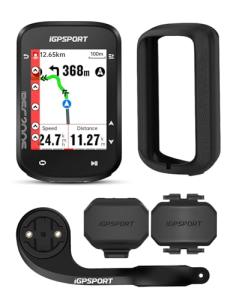
This is where cycling computers really earn their keep for performance-focused riders. Via ANT+ and Bluetooth connectivity, your computer can pair wirelessly with a whole ecosystem of sensors: heart rate monitors, power meters, cadence sensors, speed sensors, electronic drivetrains from Shimano or SRAM, and even tire pressure monitors. You can see all your metrics live, in real time, on one screen.
Power data in particular has become the gold standard for training. Pairing a cycling computer with a power meter gives you an objective, consistent measure of effort that heart rate simply can't match in the short term. If you're serious about structured training, this connectivity is essential.
Training Tools and Smart Coaching
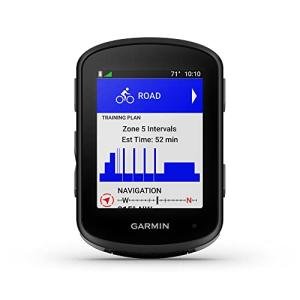
This is where things have gotten genuinely exciting in recent years. The better cycling computers have moved well beyond just displaying your data — they now help you interpret and act on it. Garmin's range features tools like Stamina (which estimates how much energy you have left based on real-time output) and Training Readiness (which uses data from your sleep, recent workouts, and recovery metrics to tell you how hard you should push today). Wahoo integrates tightly with structured training platforms, making it easy to follow interval sessions on the road.
For climbers, ClimbPro shows you the profile of an upcoming ascent as you approach it — the gradient, the distance remaining, the elevation to gain. Power Guide generates a pacing strategy for a chosen route. These aren't gimmicks. For riders who care about performance, they're genuinely useful tools that would have required a coach and a spreadsheet not long ago.
Battery Life
Battery life is one of the most practically important specs on any cycling computer, and it varies wildly. Most GPS computers claim somewhere between 15 and 20 hours in standard use. That's fine for most day rides but gets thin for long-distance events or bikepacking adventures.
Some Garmin models now incorporate solar charging panels, which can add meaningful hours to battery life, especially on sunny days. The Coros Dura pushes things much further with an extraordinary claimed battery life that makes multi-day trips far less stressful. If you're planning ultra-distance events or multi-day touring, battery life should be near the top of your priority list.
Durability and Weather Resistance
Bikes get wet. They crash. They get left in hot cars and cold garages. A good cycling computer needs to take all of this in stride. Look for solid IP ratings (IPX7 is a common benchmark — full water resistance to submersion depth) and build quality that doesn't feel fragile. The best units are tough enough that you stop worrying about them completely.
Key Brands in the Market
Garmin dominates the market for good reason. The Edge range covers everything from the simple, compact Edge 130 Plus right up to the feature-packed Edge 1050. The Garmin Connect app and ecosystem are genuinely excellent — the amount of data analysis available after a ride, without any subscription fee, puts most competitors to shame. If you use other Garmin products like GPS watches, everything integrates seamlessly into a single data stream.
Wahoo has built a devoted following around clean design, rock-solid software, and an incredibly easy setup experience. The Elemnt range — from the compact Bolt to the larger Roam — prioritizes simplicity without sacrificing depth. Wahoo underwent a major refresh of its lineup in 2025, and the new Bolt V3, Roam V3, and Ace have all been well received.
Hammerhead offers the Karoo series, which runs Android and brings a genuinely smartphone-like interface to cycling computers. The ability to set up separate profiles for different bikes and sensor combinations is particularly appreciated by riders with multiple setups.
Bryton, Lezyne, Cateye, and Coros round out a competitive mid-field that offers excellent value, particularly for riders who don't need the full feature set of a flagship Garmin or Wahoo.
Choosing the Right Cycling Computer for You
For Casual and Recreational Riders
If you're riding for fitness, fun, or commuting, you don't need to spend a fortune. A mid-range GPS unit with basic navigation, ANT+ connectivity, and a clean app interface will do everything you need. Something like the Garmin Edge 130 Plus or a Bryton Rider model gives you GPS tracking, sensor support, and solid build quality without overwhelming you with features you'll never use.
For Road and Training-Focused Cyclists
This is where mid-to-premium GPS computers really shine. Look for a unit with power meter compatibility, advanced training metrics, ClimbPro-style ascent data, and tight integration with training platforms like TrainingPeaks or Strava. The Garmin Edge 840 or 850, Wahoo Elemnt Bolt V3, or Hammerhead Karoo 3 are all strong candidates.
For Adventure, Touring, and Gravel Riders
Navigation quality becomes paramount here. You want detailed offline maps, reliable rerouting, strong GPS accuracy across multiple satellite systems (GPS, GLONASS, Galileo), and a battery life that won't leave you stranded in the middle of nowhere. The Garmin Edge Explore 2 is purpose-built for this style of riding, while the Edge 1040 Solar or Coros Dura offer exceptional battery endurance for multi-day trips.
For Racers
Small, light, aerodynamically tidy. You're not navigating unfamiliar roads, so a giant color map isn't the priority. A compact unit that shows your power, heart rate, and lap data clearly is what you want. The Wahoo Elemnt Bolt V3 has been the unit of choice for top-level professional racers, including Tour de France competitors.
Mounting and Setup
Most cycling computers attach to the stem or handlebar with a quarter-turn mount — a simple, secure system that lets you swap the unit between bikes in seconds. Out-front mounts that position the computer ahead of the stem are popular on road bikes for better visibility and reduced aerodynamic impact.
Setup has become increasingly user-friendly. Most units walk you through pairing sensors and configuring data screens via a companion smartphone app, which is much easier than navigating menus on the device itself. Once it's done, you'll rarely need to touch the settings again.
A Few Things Worth Knowing Before You Buy
Data screens are customizable. You choose what you see. Most computers let you create multiple pages with different data fields — one for training metrics, one for navigation, one for power data — and switch between them with a button press or swipe.
Third-party app compatibility matters. Strava, TrainingPeaks, Komoot, and others have become central to how many cyclists plan, track, and share their riding. Check that any computer you're considering integrates cleanly with the platforms you actually use.
Software updates keep computers current. Unlike a bike frame, a cycling computer can improve over time. Manufacturers push firmware updates that add features, fix bugs, and occasionally make a significant improvement to the product. A device that felt basic when you bought it might be noticeably better two years later.
You don't need to use every feature. The most powerful cycling computers have a daunting number of options. That's fine. You can ignore the features you don't need and focus on what matters to you. The complexity is there when you want it; it doesn't get in the way when you don't.
Cycling computers have come a long way from that wire-and-magnet setup. Today they sit at the intersection of navigation, performance coaching, and connected technology — and the best ones do all of it without ever feeling like they're complicating your ride. The goal, after all, is still the same: get out there, turn the pedals, and know exactly what's happening when you do.