What Makes a Mountain Bike Different
Mountain bikes are built to absorb punishment. Unlike road bikes, which are engineered for speed and efficiency on smooth surfaces, mountain bikes are designed around unpredictability — roots, rocks, loose gravel, steep drops, and tight switchbacks. That means beefier frames, wider tires with aggressive tread, and either front suspension, full suspension, or (in specific cases) no suspension at all.
The geometry of a mountain bike is also deliberately different. Slacker head tube angles put the front wheel further out ahead of you, which improves stability at speed on descents. Longer wheelbases give you a more planted, confident feel on technical terrain. Lower bottom brackets drop your center of gravity. Every angle and measurement has a purpose, and understanding even a little of the geometry language helps you shop with more confidence.
Types of Mountain Bikes
Not all mountain bikes are created equal — and that's a good thing. The category has evolved into a range of purpose-built styles, each optimized for a specific kind of riding.
Cross-Country (XC) Bikes
Cross-country bikes are built for one thing: going fast over varied terrain with as little weight as possible. These are the bikes you'll see at XC races, where riders push hard for hours over climbs, descents, and technical sections. XC bikes typically run 100mm of travel (the distance the suspension can compress), lightweight carbon or aluminum frames, and 29-inch wheels that roll over obstacles with ease.
If your idea of a great ride is covering lots of ground, linking trails together, and getting a serious workout, an XC bike is worth serious consideration. The tradeoff is that they're less forgiving on aggressive descents — the geometry is built for efficiency, not sending it off drops.
Trail Bikes
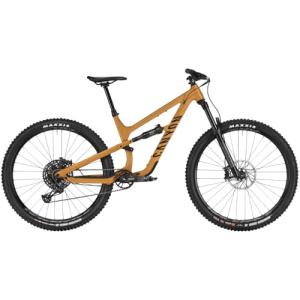
Trail bikes are the Swiss Army knife of the mountain bike world. They're the most popular category for a reason: they're competent at almost everything. You'll typically see 120–140mm of travel, a balanced geometry that climbs efficiently but still handles aggressive descents, and a comfortable riding position that works for hours in the saddle.
If you're not sure which type of riding you'll end up doing most, a trail bike is almost always the right starting point. They're forgiving enough for beginners, capable enough for experienced riders, and versatile enough to handle everything from flow trails to technical rock gardens.
Enduro Bikes
Enduro bikes are for riders who want to push harder on descents without completely sacrificing the ability to pedal back up. Think 150–170mm of travel, slacker geometry, and frames built to take a beating on aggressive terrain. These bikes are heavier than XC and trail bikes, but that weight comes with confidence — when you're dropping off a ledge or charging through loose rock, you want the bike under you to feel planted and stable.
Enduro riding has grown enormously in popularity over the past decade, and the bikes have evolved to match. Modern enduro bikes are remarkably capable climbers given how aggressive their descending geometry is — suspension design and geometry tuning have come a long way.
Downhill (DH) Bikes
Downhill bikes are purpose-built for going downhill fast. Full stop. They run 200mm or more of travel on both ends, weigh considerably more than other categories, and use geometry so slack that pedaling uphill is essentially impractical. These are chairlift bikes, bike park bikes — machines designed to absorb massive hits at high speed and give riders the confidence to push their absolute limits.
If you're riding a lift-accessed bike park regularly and want a dedicated tool for that environment, a DH bike makes sense. For most trail riders, though, an enduro bike covers the same terrain with the added ability to actually pedal around.
Hardtail Mountain Bikes
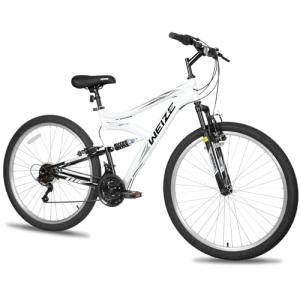
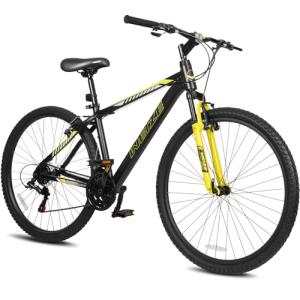
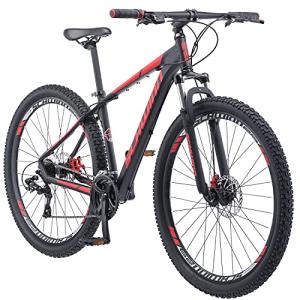
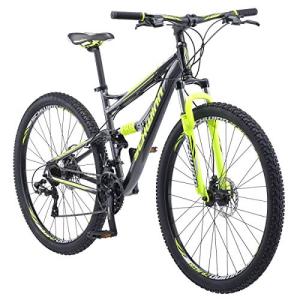
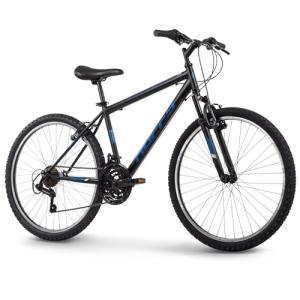
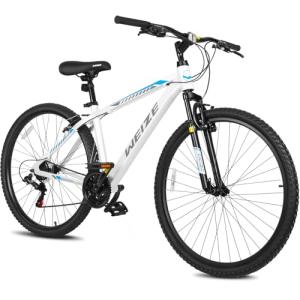
Hardtails deserve their own mention because they cut across several categories. A hardtail has front suspension but no rear shock — just a rigid rear triangle. They're lighter, simpler, less expensive to maintain, and teach riders to pick good lines rather than relying on suspension to smooth everything out.
Many experienced riders argue that time on a hardtail makes you a better mountain biker overall. The feedback from the trail is more direct, which forces you to be more deliberate with your weight distribution, line selection, and timing. For beginner and intermediate riders, a hardtail is often the smartest first mountain bike — you get a capable, durable bike without paying for rear suspension components you're not yet skilled enough to fully use.
Key Components and Specs to Understand
Once you know which style of bike you're after, the spec sheet can still look like alphabet soup. Here's what actually matters.
Wheel Size
Mountain bikes come in three main wheel sizes: 27.5-inch (also called 650b), 29-inch, and 26-inch (now mostly limited to kids' bikes and some niche applications).
29-inch wheels roll over obstacles more easily, maintain momentum better, and offer more traction due to a larger contact patch with the ground. They're the dominant choice for XC and trail riding and have made serious inroads in enduro.
27.5-inch wheels are more nimble, easier to flick through tight turns, and often preferred by shorter riders or anyone who prioritizes agility over rollover efficiency. Some bikes — called mullet setups — run a 29 up front and a 27.5 in the rear to blend the best of both worlds.
Suspension Travel
We've touched on this, but it's worth being direct: more travel is not automatically better. More suspension travel adds weight, changes the geometry toward descending, and can actually make a bike feel sluggish or awkward if you're riding terrain that doesn't require it. Match the travel to the terrain you actually ride, not the terrain you imagine riding someday.
Frame Material
Aluminum frames are the workhorse of the mountain bike world — durable, relatively affordable, and plenty stiff. Carbon fiber frames are lighter and can be tuned to have specific flex characteristics, but they come at a significant price premium and can be more vulnerable to impact damage in a crash.
For most riders, especially those new to the sport, aluminum is the smarter buy. The weight difference matters less than you'd think until you're at a level where it actually affects performance.
Dropper Post
If your bike doesn't come with a dropper post — a seatpost that you can lower on the fly with a handlebar-mounted lever — put it at the top of your upgrade list. Being able to drop your saddle before a descent and raise it back up for climbing transforms how a bike feels on mixed terrain. It's not a luxury; it's arguably the single most impactful component upgrade you can make.
Brakes
Hydraulic disc brakes are standard on any mountain bike worth buying at a trail or above price point. They offer consistent, powerful stopping force regardless of weather or trail conditions, and they modulate beautifully once you learn to use them properly. Mechanical disc brakes (cable-actuated) are found on more budget-oriented options and work fine, though they require more hand force and more frequent adjustment.
How to Choose the Right Mountain Bike for You
The best mountain bike is the one that fits the riding you actually do — not the riding you aspire to do, and not the bike that looks the most impressive in photos.
Start with your terrain. Are you riding flowy singletrack at a local trail system? A trail hardtail or full-suspension trail bike covers that beautifully. Are you venturing into technical alpine terrain or bike parks? Look at enduro geometry with more travel. Are you focused on fitness rides with technical variety? XC or light trail bikes will serve you well.
Think about your budget honestly. A mid-range trail bike with quality components will make you a better rider faster than a budget full-suspension bike with components that don't work properly. Sometimes spending the same money on a hardtail with excellent brakes, a dropper post, and quality tires will outperform a cheaper full-squish option on the trail.
Fit matters more than anything else on the spec sheet. A bike that doesn't fit your body will feel awkward regardless of how good the components are. Pay attention to reach (the horizontal distance from the bottom bracket to the handlebars), stack (the vertical height), and standover height. Most manufacturers provide fit guides, and most good bike shops will spend time dialing in sizing with you.
Maintaining Your Mountain Bike
Mountain bikes take a beating, and regular maintenance keeps them safe and extends their life significantly. After every muddy or wet ride, rinse the bike down and dry it off. Lubricate the chain regularly and keep it clean — a dirty drivetrain wears out much faster than a clean one.
Suspension service is the most commonly neglected maintenance task. Fork lowers should be serviced annually at minimum (more often if you ride frequently in muddy conditions), and rear shocks benefit from a full service every couple of years. Properly maintained suspension performs dramatically better than neglected units — it's one of those things you don't notice degrading slowly, but when you finally get it serviced, the difference is immediately obvious.
Check your brake pads and rotors periodically. Mountain bike brakes work hard, and worn pads don't just perform poorly — they can damage rotors and create genuinely dangerous stopping situations on steep descents.
Tubeless tire setup is worth the initial effort. Tubeless tires can run at lower pressures for better traction and cornering, and sealant plugs small punctures automatically so that what would have been a trail-ending flat becomes a non-event. Most quality mountain bike wheels and tires support tubeless setup.
Getting Started: First Ride Tips
If you're new to mountain biking, start on trails rated for beginners and work your way up gradually. Trail difficulty ratings (green, blue, black, double-black in most systems) exist for good reason, and there's no shame in building fundamentals on easier terrain before tackling technical features.
Focus on looking ahead, not at your front wheel. Your eyes should be scanning the trail well in advance so your body and bike have time to respond. Ride loose — tense arms and a death grip on the handlebars make everything harder. Let the bike move beneath you.
Get some instruction if possible. A single skills clinic can compress months of trial and error into a few hours. Many trail systems and bike shops offer beginner clinics, and the return on investment is remarkable.
Mountain biking is one of the most rewarding things you can do on two wheels, and the right bike is a genuine enabler of that experience. Take the time to understand what you're buying, match the bike to your real riding rather than your imagined riding, and don't be afraid to ask questions. The mountain bike community is overwhelmingly welcoming to newcomers, and most riders are genuinely happy to share what they've learned.
The trail is waiting. Go find it.