Why Kids Should Always Wear a Cycling Helmet
Children are naturally adventurous and still developing coordination and balance. While this curiosity is a wonderful part of growing up, it also means accidents can happen easily when riding a bike.
A cycling helmet acts as the first line of defense by absorbing impact energy during falls. Research has consistently shown that wearing a helmet greatly lowers the risk of head injuries and traumatic brain injuries in cycling accidents.
Helmets also provide protection in situations such as:
-
Sudden stops or collisions
-
Losing balance while learning to ride
-
Slipping on wet or uneven surfaces
-
Falling while performing tricks or riding downhill
By making helmet use a routine habit early in life, parents help children understand that safety is a natural part of riding a bike.
Key Features of Kids Cycling Helmets
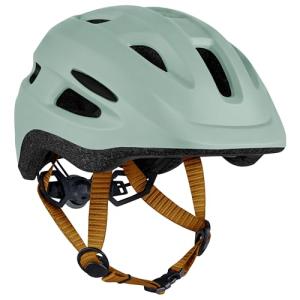
Modern kids cycling helmets combine advanced safety features with comfort and style. These helmets are designed to meet strict safety standards while remaining lightweight and easy for children to wear.
Impact-Absorbing Construction
Most kids helmets are built with a hard outer shell and a foam interior liner. The outer shell protects against penetration and distributes impact forces, while the foam liner absorbs shock energy to reduce the force transferred to the child’s head.
Lightweight Design
Because children have smaller neck muscles than adults, kids helmets are designed to be extremely lightweight. This prevents strain on the neck and allows children to ride comfortably for longer periods.
Ventilation
Ventilation is important for keeping young riders cool during active play. Many kids cycling helmets include multiple air vents that allow airflow through the helmet. This helps prevent overheating and keeps children comfortable even during warm weather rides.
Adjustable Fit Systems
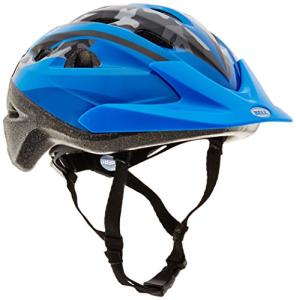
A proper fit is essential for safety. Many helmets feature adjustable dial systems or sliding straps that allow parents to customize the fit as their child grows. These adjustments help ensure the helmet stays securely in place during movement.
Soft Inner Padding
Interior padding improves comfort and helps absorb sweat. Many pads are removable and washable, making it easier to keep the helmet clean and hygienic.
Types of Kids Cycling Helmets
Different types of cycling helmets are designed for various riding styles and age groups. Understanding these categories helps parents select the most suitable helmet for their child.
Toddler Bike Helmets
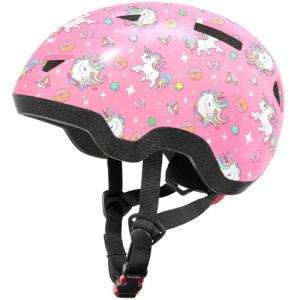
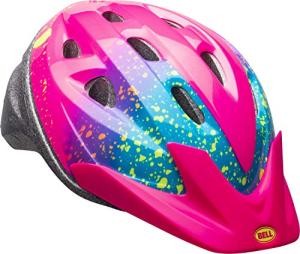
Toddler helmets are designed for the youngest riders, typically ages one to three. These helmets are extra lightweight and provide extended coverage at the back of the head for additional protection. They often feature bright colors and playful designs that appeal to small children.
Youth Bike Helmets
Youth helmets are suitable for slightly older children who ride bicycles more frequently. They offer improved ventilation and adjustable sizing systems to accommodate growing heads.
Multi-Sport Helmets
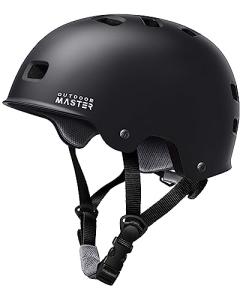
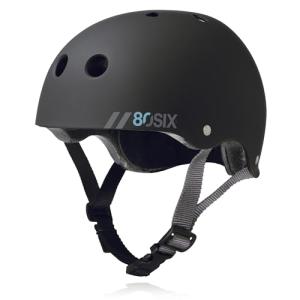
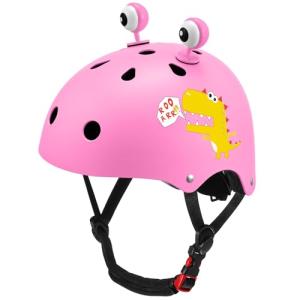
Some kids helmets are designed for multiple activities such as cycling, skateboarding, roller skating, and scooter riding. These helmets provide versatile protection for children who enjoy a variety of outdoor activities.
Mountain Bike Helmets for Kids
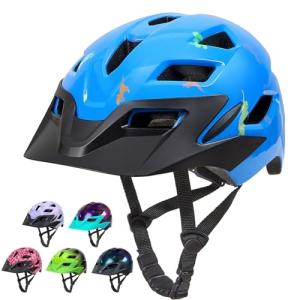
Young riders who enjoy trail riding may benefit from helmets designed for mountain biking. These helmets typically feature extended coverage and a visor that helps protect the eyes from sun, branches, and debris.
How to Choose the Right Kids Cycling Helmet
Selecting the right helmet involves more than simply choosing a color or style. Parents should consider several important factors to ensure the helmet provides both safety and comfort.
Proper Sizing
The helmet must fit the child’s head correctly. A helmet that is too large can move around during a fall, while one that is too tight may cause discomfort.
To measure head size, wrap a measuring tape around the widest part of the child’s head, usually just above the eyebrows. Compare this measurement with the manufacturer’s sizing guide to select the correct helmet size.
Secure Strap System
The chin strap should fit snugly without being uncomfortable. When fastened, the helmet should remain stable even when the child shakes their head gently.
Comfort and Weight
Children are more likely to wear a helmet if it feels comfortable. Look for helmets with lightweight construction, breathable padding, and good ventilation.
Safety Certification
Always choose helmets that meet recognized safety standards. Certified helmets undergo rigorous testing to ensure they provide effective protection during impacts.
Kid-Friendly Design
Fun designs can make a big difference. Helmets featuring bright colors, animal shapes, or favorite characters can make children excited about wearing them.
Proper Helmet Fit and Adjustment
Even the best helmet cannot provide proper protection if it is worn incorrectly. Parents should take a few minutes to adjust the helmet properly before each ride.
The helmet should sit level on the child’s head, covering the forehead without tilting backward. Ideally, the front edge should sit about two fingers above the eyebrows.
The straps should form a “V” shape around each ear, and the chin strap should be tight enough that only one or two fingers fit between the strap and the chin.
Once adjusted correctly, the helmet should stay in place when the child moves their head side to side or up and down.
Encouraging Kids to Wear Helmets
Sometimes children resist wearing helmets, especially if they feel uncomfortable or uncool. Parents can help create positive habits by making helmet use a normal part of riding.
Some helpful strategies include:
-
Letting kids choose their own helmet design
-
Setting a good example by wearing helmets as adults
-
Explaining how helmets protect the brain
-
Making helmets part of the routine before every ride
When helmet use becomes automatic, children are far more likely to stay safe while cycling.
Maintaining and Replacing Kids Cycling Helmets
Helmets should be inspected regularly for signs of wear or damage. Cracks, dents, or loose straps may reduce the helmet’s ability to protect the child during an accident.
If a helmet experiences a significant impact during a fall, it should be replaced even if damage is not visible. The internal foam may be compromised after absorbing impact energy.
In general, children’s helmets should be replaced every few years as kids grow and safety technology improves.
Cleaning the helmet regularly also helps maintain hygiene. Most helmets allow removable padding that can be washed gently with mild soap and water.
Benefits of Kids Cycling Helmets Beyond Safety
While the primary purpose of a helmet is protection, it also offers several additional benefits for young riders.
Helmets can shield the head from sun exposure during long rides and help keep rain out of the eyes. Some helmets include built-in visors that improve visibility in bright sunlight.
Wearing a helmet can also build confidence in young cyclists. When children feel protected, they may feel more comfortable practicing new skills such as balancing, steering, or riding longer distances.
Most importantly, helmets help establish lifelong safety habits. Kids who grow up wearing helmets often continue to prioritize safety as they become teenage and adult cyclists.
Popular Design Elements in Kids Helmets
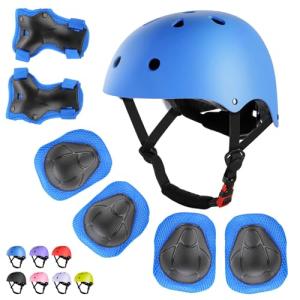
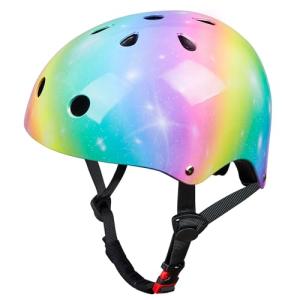
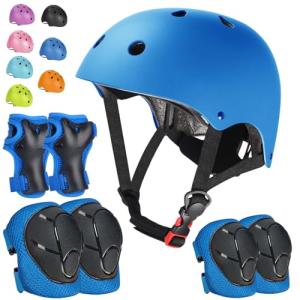
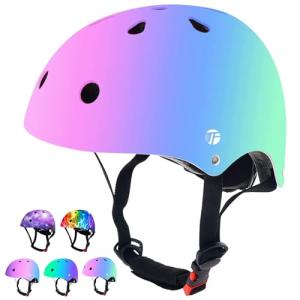
Manufacturers have become increasingly creative in designing helmets that appeal to children. Modern kids cycling helmets come in a wide variety of exciting designs.
Some popular design features include:
-
Animal-shaped helmets
-
Bright neon colors
-
Reflective elements for visibility
-
Character-inspired graphics
-
Glow-in-the-dark details
These playful elements make helmets feel less like safety equipment and more like a fun accessory.
Kids cycling helmets are an essential investment in a child’s safety and wellbeing. Whether children are just learning to ride or already exploring bike paths and parks, wearing a helmet dramatically reduces the risk of serious injury.
With modern designs offering excellent protection, comfort, and fun styles, there has never been a better time to ensure young riders are equipped with the right helmet. By choosing a properly fitted, certified helmet and encouraging consistent use, parents can help their children enjoy cycling safely and confidently.
A simple habit—putting on a helmet before every ride—can make all the difference in keeping young cyclists protected while they explore the world on two wheels.