There is something almost deceptively simple about getting on a bike. You sit down, push the pedals, and move. And yet somewhere between the first revolution and the last, something happens to the mind — a tension dissolves, a fog lifts, a thought untangles itself. Cyclists have always known this. Now science is starting to catch up.
Mental health has become one of the defining conversations of our era. Anxiety disorders affect an estimated 284 million people globally. Depression is the single largest contributor to disability worldwide. We are living through what some researchers have called a "mental health pandemic" running quietly alongside all the other crises of modern life. And while therapy, medication, and community support form the backbone of any serious mental health strategy, the case for physical movement — and cycling in particular — is growing louder and more evidence-based by the year.
This is not a manifesto that says cycling cures everything. It doesn't. But the breadth and depth of its psychological benefits make it one of the most accessible, scalable, and genuinely therapeutic tools available to ordinary people. Understanding why it works is the beginning of using it well.
The Brain on a Bike: What Actually Happens Up There
When you pedal, your body initiates a cascade of neurochemical events that read like a recipe for emotional wellbeing. The most talked about are the endorphins — those much-celebrated molecules that act as the body's natural painkillers and mood elevators. During sustained aerobic activity like cycling, endorphin release increases significantly, producing what long-distance cyclists sometimes describe as a quiet euphoria: not a high, exactly, but an unmistakable sense that the world has become more manageable.
But endorphins are only part of the story. Cycling also triggers the release of serotonin, the neurotransmitter most closely associated with mood stabilisation, and dopamine, the molecule of motivation and reward. These aren't mild ticks upward on a graph — research has shown that exercise-induced dopamine release can rival, in some measurable ways, the neurochemical profiles associated with antidepressant medications. That comparison demands nuance; exercise is not a replacement for pharmaceutical treatment for clinical depression. But it is a remarkable finding, and one that suggests the therapeutic potential of cycling deserves to be taken seriously rather than treated as a lifestyle footnote.
There is also the matter of cortisol. Chronic stress floods the body with this hormone, and while cortisol is essential in small doses, elevated levels over time erode cognitive function, impair sleep, and are directly associated with anxiety and depression. Regular aerobic exercise — including cycling — has been shown to help regulate cortisol production, making the body's stress response more proportionate and controllable. The rider who climbs onto their bike already wound tight often descends from it distinctly different. This is chemistry, not mysticism.
Anxiety: Pedalling Out of the Spiral
Anxiety, at its core, is the mind treating uncertainty as threat. The nervous system goes into high alert — heart rate rises, breathing shallows, thoughts race in tight, catastrophising loops. For many people, this becomes the default state, even when no actual danger is present.
Cycling intervenes in this spiral through several mechanisms simultaneously. The physical exertion burns off the excess adrenaline that anxiety generates. The rhythmic, repetitive motion of pedalling activates what neuroscientists sometimes call "bilateral stimulation" — a side-to-side engagement of both hemispheres of the brain that seems to have a naturally calming effect on the nervous system. It is a similar principle to why walking or swimming can bring relief during periods of acute distress.
There is also the matter of breath. Sustained cycling requires conscious, rhythmic breathing. You cannot sprint up a long gradient while holding shallow, panicked breaths. The body enforces a form of breathwork that clinical practitioners spend significant time teaching in anxiety management. Cyclists get it automatically, simply by riding hard enough.
Beyond the physiology, cycling provides something anxiety desperately needs: a concrete task. Anxiety thrives in abstraction — in the formless dread of things that might happen. A bike ride is intensely concrete. You are navigating a road, monitoring your speed, avoiding a pothole, deciding whether to push through the next kilometre or ease off. The mind cannot simultaneously catastrophise about an email from a difficult colleague and calculate whether to stay in the saddle on an approaching climb. This enforced presence is not a distraction from anxiety so much as a metabolic interruption of it.
Depression: Movement Against the Inertia
Depression is, in part, a disorder of inertia. One of its most insidious features is that it removes the motivation to do the very things that might help — including exercise. The research on exercise and depression is, at this point, extensive. A landmark meta-analysis published in the British Journal of Sports Medicine found that physical activity is 1.5 times more effective at reducing mild to moderate depression symptoms than either medication or cognitive behavioural therapy when used alone. Cycling, as a form of sustained moderate-to-vigorous aerobic activity, sits squarely within the exercise types studied in this literature.
What makes cycling specifically useful for depression is its accessibility to varying energy levels. Unlike activities that require significant social coordination, equipment setup, or skill acquisition, cycling can be done alone, quietly, at whatever intensity a low-energy day permits. A ten-minute, flat, unhurried ride still produces neurochemical changes. The bar to entry is low enough that even on the darkest days, the bike can sometimes offer something a gym cannot.
The neuroplasticity angle is also worth examining. Depression is associated with reduced activity in the prefrontal cortex — the region responsible for planning, perspective-taking, and rational thought — and with elevated activity in the amygdala, the brain's alarm centre. Exercise has been shown to promote neurogenesis in the hippocampus and to increase cerebral blood flow to the prefrontal cortex. In plain language: regular cycling can literally help the depressed brain begin to rebuild the neural pathways associated with optimism, agency, and executive function. This is not a quick fix. But it is a genuine structural benefit, occurring in the brain tissue itself.
Stress: The Commute That Fixes What the Commute Breaks
Modern stress is largely sedentary. We sit in meetings, sit in traffic, sit at desks, sit on sofas scrolling our way into low-grade chronic overwhelm. The irony of the work commute is particularly sharp: the method of getting to the thing that stresses us often generates its own additional stress. Delayed trains, gridlocked roads, and packed underground carriages prime the nervous system for threat before the workday has even begun.
Cycling commuters consistently report lower levels of stress than those who drive or use public transport. A large-scale study tracking commuters across multiple cities found that active commuters — cyclists in particular — arrived at work with measurably better moods and lower physiological stress markers than their motorised counterparts. By the time a cycling commuter locks up their bike, they have already exercised, navigated a dynamic environment, experienced natural light and fresh air, and discharged a significant portion of their stress hormones. The day begins from a neurochemically different starting point.
There is also a growing body of research on what exposure to natural environments does to the brain — what some researchers call the "restorative environment" effect. Urban cycling, even through busy streets, involves more exposure to sky, greenery, air movement, and variable sensory input than the sealed interior of a car or a windowless commuter train. Route a cyclist through a park or along a river and the restorative effect deepens substantially. The Japanese concept of shinrin-yoku — forest bathing — captures the same mechanism in a different form: nature, at whatever dose, reduces stress biomarkers. The cycling commuter receives a version of this benefit by default.
Sleep, Cognition, and the Compound Returns of Regular Riding
Poor sleep and poor mental health are locked in a bidirectional relationship. Anxiety disrupts sleep; poor sleep worsens anxiety. Depression fragments sleep architecture; fragmented sleep deepens depressive symptoms. Breaking this cycle is one of the most powerful interventions available in mental health, and cycling is one of the most reliable ways to improve sleep quality without pharmacological assistance.
Regular aerobic exercise increases the proportion of slow-wave (deep) sleep — the restorative phase most responsible for physical recovery, memory consolidation, and emotional regulation. Cyclists who ride consistently, even at moderate intensity, tend to fall asleep faster, sleep more deeply, and wake less frequently than sedentary individuals. The timing of rides matters: morning and early afternoon sessions tend to produce better sleep outcomes than late-evening rides, which can elevate cortisol and heart rate close to bedtime.
On cognition, the evidence is equally compelling. Cycling increases cerebral blood flow and promotes the production of BDNF (Brain-Derived Neurotrophic Factor), sometimes called "fertiliser for the brain." BDNF supports the growth and maintenance of neurons, improves synaptic plasticity, and is closely associated with better working memory, concentration, and cognitive flexibility. Regular cyclists in their 50s and 60s have been shown to have brain volumes and connectivity patterns more commonly associated with people a decade younger. The mental health benefits of cycling compound over time — not just in mood, but in the fundamental architecture of thought.
The Social Dimension: Riding Together
Individual riding has profound benefits. But cycling also opens a social door that many people experiencing mental health difficulties find difficult to walk through elsewhere.
Cycling clubs, group rides, and charity cycling events create a form of social connection built around shared activity rather than shared disclosure. This is significant. Many people who would never attend a support group, open up to a therapist, or discuss their mental health at a dinner party will readily join a Sunday morning ride. The shared effort creates a natural social environment in which conversation flows freely and without pressure. Friendships form through proximity and shared challenge, not through the often-intimidating work of deliberate socialisation.
For those who find eye contact and focused conversation anxiety-inducing — including many people with social anxiety, autism, or trauma histories — the side-by-side format of group riding is particularly accommodating. You can talk or not talk. You can drop back if you need silence. You can return to the group at your own pace. This is a social structure that many find more manageable than face-to-face gathering.
The rise of cycling communities online — Strava clubs, cycling forums, group tracking apps — has extended this social network into the digital space, creating communities of mutual encouragement that have genuine mental health value, particularly for those who cycle alone but want connection and accountability.
The Question of Self-Efficacy
There is a less-discussed mental health benefit of cycling that deserves its own paragraph: the development of self-efficacy. Self-efficacy — the belief in one's own capacity to accomplish things — is one of the most robust predictors of mental wellbeing across all age groups and clinical conditions. Chronically low self-efficacy is associated with depression, anxiety, and learned helplessness.
Cycling builds self-efficacy in unusually concrete, measurable ways. The climb you couldn't finish three weeks ago becomes manageable. The distance you thought was too far becomes routine. Cycling metrics — speed, distance, elevation — turn improvement into something visible and quantifiable. This matters psychologically in ways that more diffuse forms of wellbeing-building do not. A person who cycles regularly has regular, undeniable evidence that they are capable of things they previously could not do. That evidence accumulates and generalises. The brain that learns it can push through the last kilometre of a hard ride is also learning something about its own resourcefulness and persistence. That lesson does not stay on the bike.
Getting Started: A Realistic Prescription
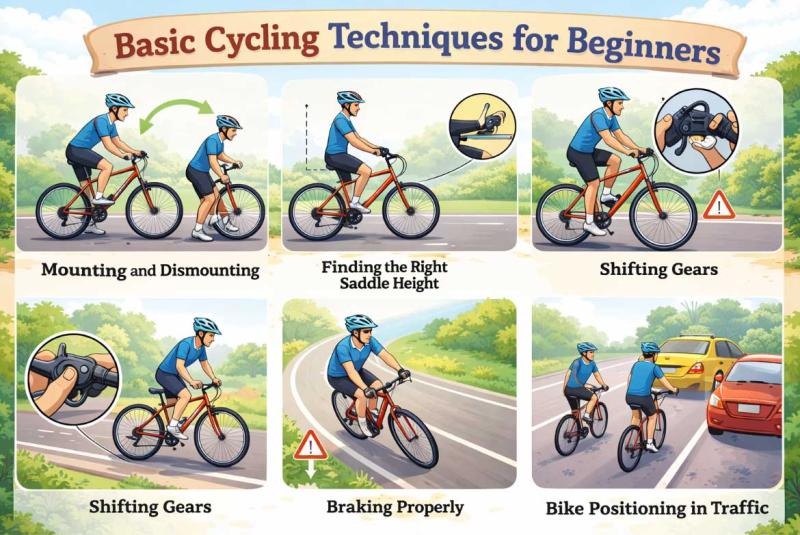
The evidence base is persuasive, but it is worth being honest about what it takes to convert it into lived benefit. The minimum effective dose for mental health appears to be around 20 to 30 minutes of moderate-intensity cycling, three times per week. That is genuinely achievable for most people, even in winter, even in cities, even with busy schedules.
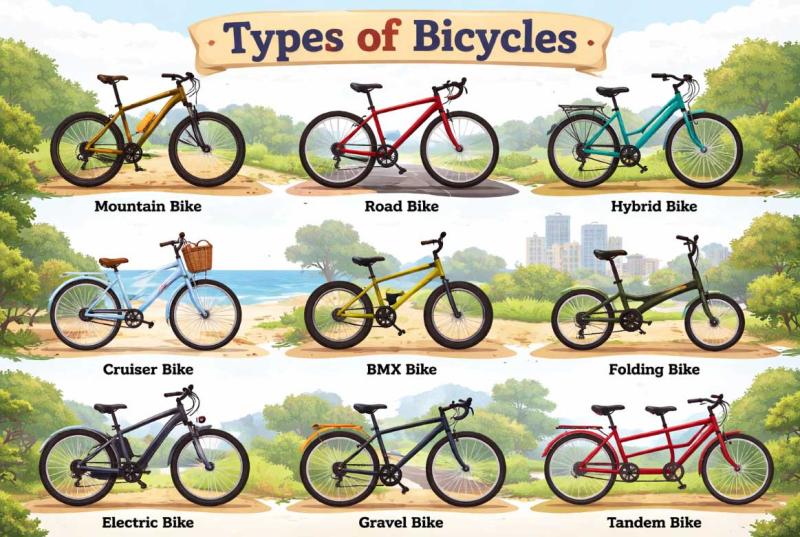
You do not need an expensive bike. A basic second-hand road or hybrid bike, properly fitted and maintained, delivers the same neurochemical outcomes as a carbon-fibre machine costing forty times as much. What matters is the motion, the effort, and the regularity.
Consistency produces far greater mental health returns than intensity. A 25-minute ride every day for a month will do more for your anxiety and mood stability than three brutal two-hour sessions in a week. The brain responds to pattern and repetition. It learns from regularity that the positive state associated with riding is reliably available, and this expectation itself begins to act as a stabilising force. Riders often report that simply knowing a ride is coming — tomorrow morning, after work tonight — provides anticipatory relief in the way that few other things reliably do.
The Road Ahead
The global mental health crisis is not going to be solved by bicycles alone. It requires systemic investment in mental health services, in reducing the structural causes of distress — poverty, inequality, social isolation, insecurity — and in expanding access to evidence-based treatment for those who need it most.
But within the space of individual action, cycling occupies a remarkable position. It is affordable. It is accessible to a wide range of fitness levels and ages. It produces measurable, rapid neurochemical benefits. It builds long-term structural changes in the brain. It can be woven into the fabric of daily life rather than added as another obligation. And it carries a quality that is perhaps most important of all: people actually want to do it. The wind, the motion, the freedom of covering ground under your own power — these are not incidental pleasures. They are part of why cycling works, and why it keeps working.
The prescription is simple, even if writing it feels almost too easy: get on a bike, ride regularly, and pay attention to what happens to your mind. The evidence suggests it will surprise you.
Note: Cycling is a powerful complement to professional mental health treatment, not a replacement for it. If you are experiencing significant symptoms of depression, anxiety, or any other mental health condition, please seek support from a qualified healthcare professional.