What Is a Handlebar Bag?
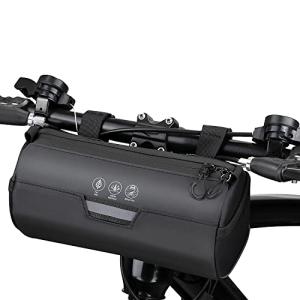
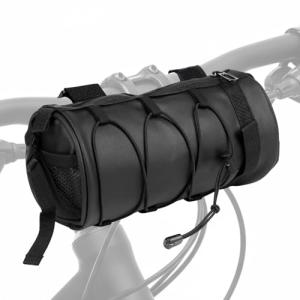
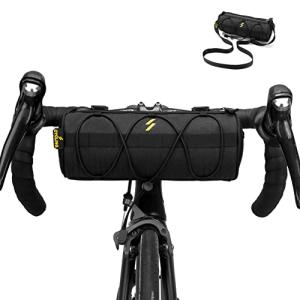
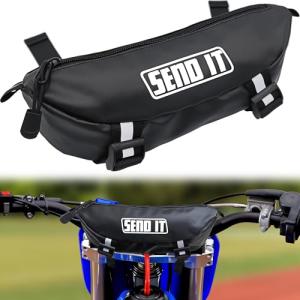
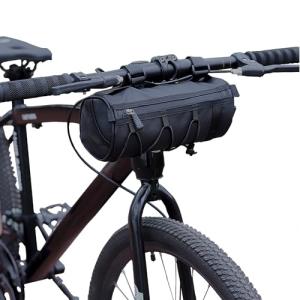
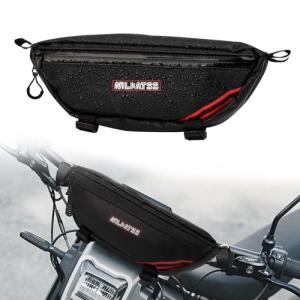
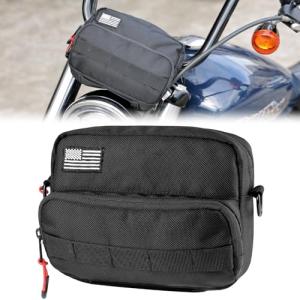
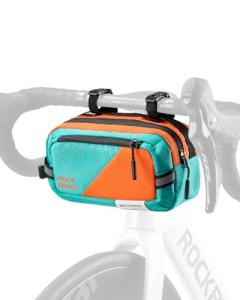
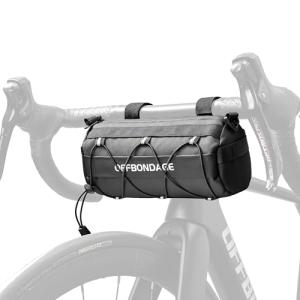
A handlebar bag is a soft or semi-rigid storage bag that mounts directly to the front of your bike — typically secured to the handlebars and stem using straps, Velcro, a Boa dial system, or a dedicated mounting bracket. The bag sits at the front of the bike, ahead of your body, giving you fast access to your gear without ever stopping or digging around in your pockets.
It sounds straightforward, and it is. But don't let that simplicity fool you. The design, materials, capacity, and mounting system of a handlebar bag can make an enormous difference to how your ride actually feels — and how prepared you are when things don't go to plan.
Why Cyclists Love Them
Easy Access Where It Counts
The most obvious benefit is also the most appreciated one: everything is right there in front of you. Your phone for navigation, a snack for the long climb ahead, a rain jacket for when the weather turns — all of it is within arm's reach without needing to stop, unzip a saddle bag, or root around in a jersey pocket. For commuters, that means fewer moments of juggling at traffic lights. For tourers, it means keeping energy levels topped up without breaking stride.
Keep Weight Off Your Body
A backpack works fine for short trips. On longer rides, though, the weight on your shoulders and back builds up fast — especially in warm weather when your back can't breathe and you're sweating through your kit before lunch. Moving that load to the front of the bike shifts the weight off your body entirely. Your shoulders relax, your riding position feels more natural, and you can cover longer distances without that creeping fatigue that comes from carrying gear on your back.
Better Balance Than You'd Expect
A common concern for first-time handlebar bag users is whether the extra weight up front will make the bike feel wobbly or sluggish. In practice, a well-packed and properly mounted handlebar bag has very little effect on handling — especially when you're not over-stuffing it. Because the bag attaches to the bike rather than to your body, the weight stays stable and predictable. You're not fighting a shifting backpack every time you stand on the pedals or lean into a corner.
Off the Bike Too
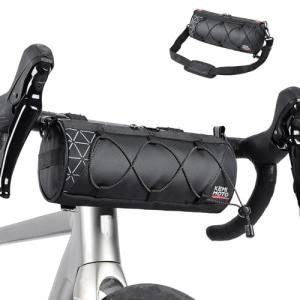
Many modern handlebar bags are designed with versatility in mind. Detach them from your bike and some will convert into a shoulder bag, a belt pack, or a simple carry pouch for exploring on foot once you reach your destination. That kind of flexibility is genuinely useful, especially on touring or bikepacking trips where you're moving between cycling and walking throughout the day.
Types of Handlebar Bags
Not all handlebar bags are the same, and the range available today reflects just how many different types of riders use them.
Small Day Bags (Under 3 Litres)
These compact bags are built for riders who want a bit of extra storage without bulk. Think of them as an overflow solution for your jersey pockets — a place to stash your phone, a small wallet, some snacks, and maybe a light packable layer. They sit neatly on the bars, don't interfere with your computer or lights, and are barely noticeable once you're riding. Road cyclists and commuters tend to gravitate towards this size.
Mid-Size Bar Bags (3–7 Litres)
The sweet spot for most cyclists. A bag in this range is large enough to carry a waterproof jacket, some food, tools, and your phone, but small enough that it won't overwhelm your front end or interfere with your steering. This is the size most gravel riders and touring cyclists reach for first — it handles a long day ride comfortably, and can pull double duty on overnighters when packed cleverly.
Large Bikepacking Bags (7 Litres and Above)
When you're heading out for multiple days and need to pack a sleeping bag, a warm layer, substantial food supplies, and all your camp kit, a large handlebar bag becomes essential. Some models push past 10 litres, and certain brands — Brompton, for example — go even further for specific bike setups. These bags are typically paired with frame bags and seat packs as part of a complete bikepacking system. Weight management matters more at this size, so look for bags that use compression straps to keep the load tight and prevent bounce.
What to Look for When Buying
Capacity and Volume Adjustment
Before anything else, be honest about how much you actually need to carry. A bag that's too small will leave you frustrated; a bag that's half-empty will sag, rattle, and generally misbehave. Many good handlebar bags let you adjust their volume using compression straps or roll-top closures, which helps the bag conform to whatever you've packed rather than holding a rigid shape around empty space. Some also include external bungee cords for lashing a jacket to the outside — genuinely useful when the weather is unpredictable.
Waterproofing
This one matters more than people often realise. Even if you never intentionally ride in the rain, road spray, puddle splash, and morning dew will find their way into an unprotected bag. Water-resistant fabrics and coatings handle light moisture well. For full waterproofing, look for bags with welded seams and roll-top closures rather than zips — these eliminate the vulnerable points where water tends to sneak in. If you're carrying a phone, electronics, or important documents, proper waterproofing isn't a luxury; it's a requirement.
Mounting System
How a bag attaches to your bike affects everything: how stable it feels, how easy it is to put on and take off, whether it interferes with your cables, and whether it'll rub against your handlebars over time. Velcro strap systems are the most common and work well for most bikes. Tool-free mounting brackets offer a cleaner look and better stability for heavier loads. Boa dial systems are a newer innovation — they're fast, secure, and surprisingly satisfying to use, though they tend to add to the price. Whatever system you choose, make sure it includes a stem tether. That secondary attachment point stops the bag from swaying side to side on rough terrain.
Compatibility with Your Bars
Handlebar bags are made to fit a wide range of bikes, but it's worth checking before you buy. If you're running a cycling computer, a GPS unit, or lights on your bars, you need a bag that leaves room for all of them. Some bags are specifically designed with cutouts or mounting points to accommodate these accessories. On very narrow handlebars or particularly wide bags, fit can occasionally be an issue — so check the dimensions against your setup.
Access and Organisation
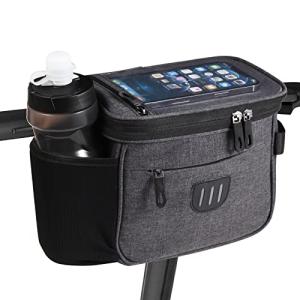
Think about how you'll actually use the bag while riding. Can you unzip the main compartment one-handed without swerving? Is there a top pocket or side pocket for the things you need most often? A transparent sleeve on top is a popular feature — it lets you slot in a paper map, a printed route card, or your phone for navigation without having to open anything at all. Interior dividers and zip pockets help keep smaller items from rattling around or getting lost in the bottom of the bag.
Reflective Details and Light Mounts
If you ride at any point during low-light conditions — early mornings, late evenings, winter commutes — reflective elements on your handlebar bag are a quiet but effective safety bonus. Some bags also include a loop or dedicated attachment point for a front light, which is especially useful when the bag occupies the space where you'd normally mount one.
Materials and Durability
The quality of materials in a handlebar bag has improved dramatically over the past decade, driven largely by the rise of bikepacking as a discipline where gear has to perform under real pressure. Look for fabrics like ripstop nylon, Cordura, or newer technical materials like Dyneema composite fabrics, which offer exceptional strength-to-weight ratios. Recycled fabrics are increasingly common too, with some brands building their entire range from post-consumer materials without sacrificing performance.
Zippers, buckles, and strap hardware are worth examining closely. A bag that's otherwise excellent can let you down through a cheap zip that splits under load or a buckle that snaps in the cold. YKK zippers are a reliable benchmark. Water-resistant zip pulls are worth looking for if waterproofing is a priority.
Fitting and Packing Tips
Getting the most out of your handlebar bag comes down to a few simple habits. Pack heavier items as low and as central in the bag as possible — this keeps the centre of gravity sensible and reduces the pendulum effect that can make a front-heavy bike feel sluggish in corners. Avoid over-packing to the point where the bag is straining at the seams; a bag under pressure loses its shape and puts stress on the mounting straps. And when you first install the bag, give it a test on a short ride before loading it up fully — you want to be sure the straps are tight, the stem tether is secure, and nothing is rubbing against your front tyre.
Who Needs a Handlebar Bag?
The honest answer is: most cyclists would benefit from one. Commuters will appreciate having their daily essentials at hand without the sweat-inducing bulk of a backpack. Recreational riders will enjoy the extra freedom to carry layers, food, and a lock without cramming everything into their pockets. Gravel and adventure cyclists will find a mid-size bar bag transforms their range and self-sufficiency on long days out. And bikepacking enthusiasts already know that a large handlebar bag is practically non-negotiable for multi-day trips.
Even competitive road cyclists, traditionally resistant to anything that might add a gram, have started embracing compact bar bags for sportives and long-distance events where carrying capacity matters more than aerodynamics.
The handlebar bag has earned its place as one of cycling's most genuinely useful accessories — not through clever marketing, but because it solves a real problem in a practical way. It gets your gear off your back and onto your bike, puts your most-needed items within easy reach, and handles everything from a quick coffee run to a week-long bikepacking route with equal reliability.
Shop our range of handlebar bags below and find the right size, style, and mounting system for the riding you actually do.