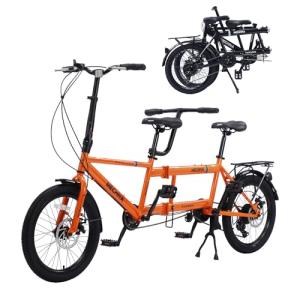
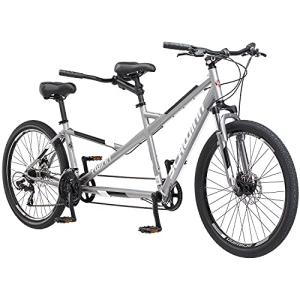
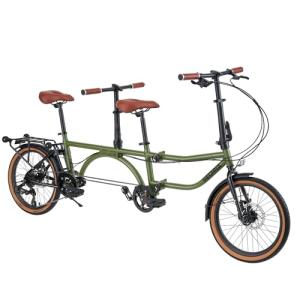
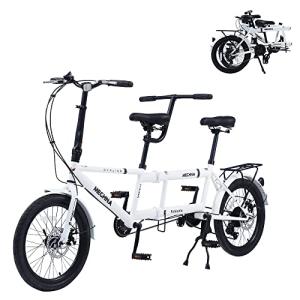
What Exactly Is a Tandem Bike?
A tandem bicycle is a bike designed for two (or more) riders, both pedaling to move the bike forward. The rider up front is called the captain — they handle steering, braking, and shifting gears. The rider in the back is called the stoker — they contribute power without worrying about navigation.
Both riders share a single frame, a single pair of wheels, and a synchronized pedaling rhythm. That last part trips people up before they try it, but most riders find that pedaling in sync comes naturally within a couple of outings. It's less about athletic coordination and more about trust and communication.
Tandems have been around nearly as long as bicycles themselves, but today's models are a world away from the wobbly, uncomfortable machines of decades past. Modern tandems use reinforced frames, quality drivetrains, and components specifically engineered to handle the extra load and forces of two riders. The result is a bike that's stable, efficient, and genuinely fun to ride.
The Real Benefits of Tandem Cycling
Before diving into the different types, it's worth asking: why buy a tandem in the first place?
Riders of different fitness levels can ride together. This is the big one. If one of you is a seasoned cyclist and the other is a more casual rider, a solo ride together usually means one person waiting around or one person struggling to keep up. On a tandem, both riders contribute what they can. The stronger rider covers more of the effort; the other can spin comfortably at their own pace. Nobody gets dropped.
You go faster than you'd expect. Two sets of legs pushing one aerodynamic package means tandems are genuinely quick. Even on a mountain-style tandem, you can keep pace with road cyclists on flat terrain. The combined power-to-drag ratio works in your favor in a way that surprises most first-timers.
It's social in a way solo cycling isn't. You're sitting two feet apart from your riding partner the entire time. Conversation flows naturally. You can point things out, make decisions together, and share the experience in real time — something headphones and hand signals on separate bikes just can't replicate.
It opens cycling up to people who couldn't otherwise ride. Tandem bikes are widely used in adaptive cycling programs. Visually impaired riders, riders with certain disabilities, or those whose balance or confidence makes solo riding difficult can all experience the freedom of cycling as the stoker, guided by a confident captain up front.
Kids love it. There are family tandem configurations — often called kiddyback tandems — where the rear section is built lower and shorter for a child to ride. It's a safe, engaged way to introduce younger riders to road cycling, and many parents prefer it to bike trailers precisely because the child is an active participant rather than a passenger.
Types of Tandem Bikes
Not all tandems are the same. The right one for you depends almost entirely on how and where you plan to ride.
Road Tandems
Built for speed and distance, road tandems feature lightweight frames — often aluminum or carbon — and dropped handlebars that put both riders in an aerodynamic position. These are the choice for couples who are already serious cyclists and want to rack up miles together. Road tandems handle descents beautifully thanks to their rigid frames and responsive geometry, and they're at home on long weekend rides, sportives, or even competitive events. The dropped bar setup gives the captain multiple hand positions for comfort over hours in the saddle.
Touring Tandems
If your goal is adventure over speed, a touring tandem is worth a close look. These bikes prioritize comfort and carrying capacity over pure performance. They come with mounting points for panniers and racks, more relaxed geometry that reduces fatigue over long days, and gearing low enough to haul a loaded bike over steep climbs. Many touring tandems feature internal gear hubs, which are easier to maintain on the road and handle shifting smoothly even under load. If you've ever dreamed of a cycling holiday through the countryside with someone you love, a touring tandem is your vehicle.
Mountain Tandems
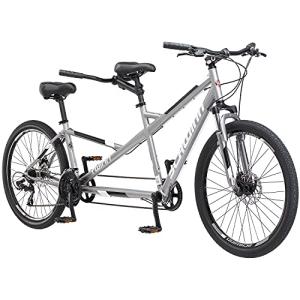
Yes, mountain tandem bikes exist, and yes, they're as fun as they sound. Built on robust frames with wide, grippy tires and often full suspension, mountain tandems are designed for off-road riding. What's surprising is how well they actually climb — two riders putting power through one rear wheel creates remarkable traction on steep technical terrain. The captain handles trail-reading and bike control; the stoker just hangs on and pedals. Communication between riders becomes critical on technical terrain, but experienced tandem teams navigate trails that would challenge solo riders.
Comfort and Cruiser Tandems
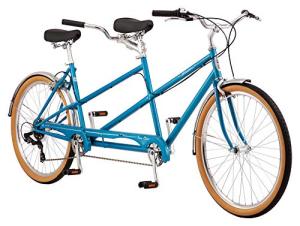
For riders who aren't chasing performance, cruiser and comfort tandems offer an upright, relaxed riding position that makes an afternoon spin genuinely enjoyable from the first pedal stroke. Steel frames absorb road buzz, wider saddles cradle you properly, and swept-back handlebars keep your back in a natural position. These bikes typically come with 7 to 21 speeds — plenty for flat terrain and gentle hills — and often feature step-through frames that make mounting and dismounting easy for riders of all mobility levels. Think beach towns, park paths, and relaxed weekend rides.
Family Tandems (Kiddyback)
Kiddyback tandems are a category of their own. These bikes are designed to carry an adult captain at the front and a child stoker at the rear, with the rear section built lower and with a shorter reach to suit smaller riders. Many are designed with longevity in mind — longer seatposts and adjustable stems mean the bike grows with your child. If you're thinking about this option, look for oversized tubing in the rear section; it dramatically reduces the flex and wobble that can make the stoker's position uncomfortable.
Electric Tandems
The tandem e-bike is one of the most exciting developments in this category in recent years. An electric motor assists both riders as they pedal, making hills manageable, extending range considerably, and — perhaps most importantly — leveling out fitness differences between captain and stoker even further. A 500W motor is a solid choice for hilly terrain or performance riding; smaller motors handle flatter routes and casual use well. Battery range is worth checking carefully before you buy, especially if you're planning full-day rides. Disc brakes are essentially mandatory on an e-tandem given the combined weight of two riders plus the motor and battery system.
Recumbent Tandems
Recumbent tandems are niche, but their fans are devoted. The reclined seating position dramatically reduces pressure on the neck, back, and hands — a genuine advantage for riders with certain physical conditions or those who find traditional cycling uncomfortable over long distances. They're lower to the ground, which takes some adjustment in traffic, but on open roads and paths they're exceptionally comfortable. Some designs mix a recumbent stoker position with an upright captain position, which has its own ergonomic logic.
Getting the Fit Right
Fit matters more on a tandem than almost any other bike purchase, because you're fitting two people at once. Here's what to think about:
Captain fit follows similar rules to solo bikes. Standover clearance is particularly important for the captain because they need to straddle the top tube confidently at stops. The reach to the handlebars should feel comfortable and not stretched.
Stoker fit is all about reach. If the stoker is too close to the captain, the position feels claustrophobic. Too far, and it's strained and uncomfortable. Most tandems offer adjustable stoker stems to dial in the reach. The stoker doesn't need as much standover clearance since they typically stay seated at stops.
Size combinations matter. Most tandems come in a limited range of frame sizes designed for average-height couples. If there's a significant height difference between riders — say, one of you is tall and one is small — you'll want to look at adjustable options carefully or consider a custom or semi-custom build.
Saddle position is individual. Both riders should be able to achieve a slight bend in the knee at the bottom of the pedal stroke. Don't assume that one saddle height works for both; most tandems allow independent adjustment.
Key Features to Look For
Frame material: Aluminum is the most common choice — lightweight and stiff. Steel is heavier but offers a more forgiving ride feel and is easier to repair on tour. Carbon fiber exists at the higher end and delivers excellent stiffness-to-weight ratios for performance-focused riders.
Gearing: More gears generally means more versatility. Triple cranksets with a wide cassette range give you the low gearing needed for loaded climbs and the higher gears for fast flat sections. Internal hub gearing is lower maintenance and great for touring.
Brakes: Disc brakes are increasingly the standard on quality tandems, and for good reason. Two riders create significantly more momentum than one, and disc brakes — especially hydraulic — provide the stopping power and modulation to handle that safely in all conditions. If you're buying an older or budget model with rim brakes, make sure they're in excellent condition.
Handlebar type: Flat bars give an upright, comfortable position ideal for trails, casual riding, and touring with trailers. Drop bars offer multiple hand positions for long distances and a more aerodynamic profile for speed. Some riders buy both and swap them depending on the ride.
Suspension: The stoker sits at the back of the bike and has no warning before hitting bumps — the captain can brace; the stoker cannot. Suspension seatposts for the stoker are a genuinely useful upgrade, absorbing road shock before it reaches the rider. Full-suspension mountain tandems take this further for rough terrain.
What to Budget
New tandem bikes start around $800–$1,000 for entry-level cruisers and comfort models. Mid-range touring and road tandems typically run $2,000–$4,500. High-end performance models, custom builds, and electric tandems can push well beyond $5,000. A healthy secondhand market also exists — a used tandem from a reputable brand can be an excellent way to try tandem cycling without a major investment upfront.
Before You Buy: Try One First
Reading about tandems is useful. Riding one is revelatory. If at all possible, find a specialist tandem retailer or cycling club that can arrange a test ride with your co-rider before committing. The feel of a tandem — the way it corners, how it climbs, how both riders sync up — is something you need to experience together to understand.
Most people who try a tandem come back grinning. There's a reason enthusiasts describe it less like buying a bike and more like discovering a whole new way to ride.
A tandem bike isn't for everyone, but for the right pair of riders, it's one of the best cycling purchases you'll ever make. It solves the fitness gap problem. It makes cycling genuinely social. It opens the sport to people who couldn't otherwise participate. And it's simply, honestly, a lot of fun.
Whether you're a couple looking for a shared adventure, a parent who wants to ride safely with their child, or a pair of cyclists who want to race together, there's a tandem in this category that was built with you in mind. Pick your type, get the fit right, and go find out what it feels like to ride as one.