Who Makes the Schwinn Twinn — and Why It Matters
Schwinn is one of the most recognized names in American cycling, with roots stretching back to Chicago in 1895. The brand has produced some of the most beloved bikes in U.S. history, from iconic cruisers to competitive road bikes. The Twinn itself has a long lineage — tandem models under the Twinn name have been part of the Schwinn catalog since the 1960s, evolving in drivetrain technology, braking systems, and frame materials over the decades.
The modern Twinn is a product of that heritage meeting contemporary mass-market manufacturing. It's not a boutique tandem from a specialty builder, and it doesn't claim to be. What it offers is the Schwinn name's legacy of accessible, fun cycling in a format that accommodates two.
Frame and Build: Aluminum Where It Counts
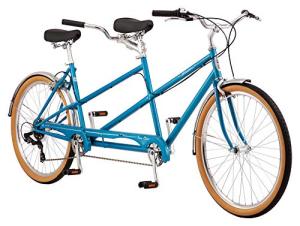
The aluminum tandem frame rides smooth and features an extra low step-thru rear bar to comfortably fit smaller riders. This design decision is more important than it might initially seem. Tandem bikes present a unique challenge for the rear rider — the "stoker" — who has to mount and dismount a bike that's already balanced by another person. A low step-through rear bar makes that process significantly less awkward, particularly for shorter riders.
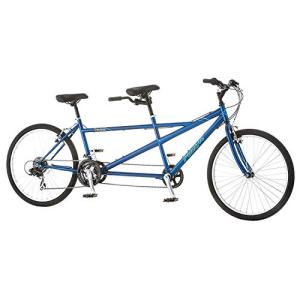
This is a 26-inch steel frame hybrid tandem bike with modest components and mechanical disc brakes. The 26-inch wheel size hits a practical sweet spot for tandem riding — large enough to roll smoothly over varied terrain, manageable enough that the overall bike dimensions don't become unwieldy in tight spaces.
At approximately 47 pounds assembled, the Twinn is heavier than a solo bike but reasonable for a tandem in this price bracket. Riders who have tried hauling it onto a car rack know that transport takes some planning — a hitch rack is a popular solution, and the bike holds steady with the rear wheel off the ground, which is also handy for adjusting derailleurs or fixing a flat.
The Drivetrain: 21 Speeds, Real-World Performance
A 21-speed Shimano EZ-Fire trigger shifters and a Shimano rear derailleur provide an extended gear range and smooth shifting on every ride. For a tandem carrying two riders and the combined weight that comes with that, having a functional gear range is non-negotiable. Gentle inclines that a solo rider powers through effortlessly become genuine challenges when you're carrying 300+ pounds of combined rider weight.
The 21-speed setup gives you meaningful options across varied terrain. Riders on relatively flat ground — think riverside paths, rail-trails, neighborhood streets — report being able to maintain comfortable speeds of 12 to 15 mph with steady effort from both riders. Those heading into hilly territory may find the climbing range limits their ambitions, but for the bike's intended use case of recreational paired riding, the drivetrain does its job.
The trigger shifters (as opposed to twist-grip shifters) are a practical choice for tandem use. They allow for precise, deliberate gear changes without accidentally shifting mid-turn, and experienced cyclists will find them intuitive from the first ride.
Braking: Disc Brakes That Earn Their Keep
This is one of the areas where the Twinn earns genuine praise. Mechanical disc brakes provide reliable stopping power in all weather conditions, ensuring safety and control during your adventures. For a tandem carrying two adults, stopping power is a safety-critical feature. The physics of the situation are unforgiving: more mass means more momentum, which means more demand on your brakes.
Riders who had previously rented tandems with rim brakes found the disc brakes to be a significant improvement, especially when stopping was a genuine worry. Wet road conditions, which reduce rim brake effectiveness considerably, are handled far better by disc brakes — a real-world advantage on those days when the weather turns mid-ride.
That said, the disc rotors are on the lighter end of the spectrum, and some experienced riders recommend upgrading the brake pads for extended or hilly riding. The hardware is there; the refinement can be added affordably over time.
Comfort Features: Two Seats, Both Taken Seriously
Schwinn ergonomic handlebar grips and plush fitness seats create a comfortable and enjoyable riding experience for you and your loved ones. Tandem cycling means two people need to be comfortable — not just the person calling the shots up front. The plush fitness saddles address this directly, providing padding that holds up over longer recreational rides without the firmness that would make casual cyclists want to cut the ride short.
There's also a Schwinn suspension fork to soak up bumps and a second handlebar in the back for added control. The rear handlebars give the stoker something to hold onto and push against during climbs, which makes a practical difference in power transfer and stability. Stokers appreciate having something to grip other than thin air, particularly during braking.
The ergonomic grips on both sets of handlebars reduce hand fatigue on longer rides — a detail that seems minor until you're an hour into a trail ride and your palms start protesting.
Fit: Who Goes Where, and Whether You'll Fit
Fit is a critical conversation for any tandem purchase. Recommended rider heights are: captain (front) 5'6" to 6'1", and stoker (back) 5'0" to 5'9". These ranges reflect real-world feedback — the front position suits taller riders who need leg extension and steering authority, while the rear step-through design accommodates shorter stokers comfortably.
Real owners report the bike working well for combinations like a 6'1" captain paired with a 5'4" stoker, with both saddles and seatposts offering meaningful adjustment range. The stoker's seat height is fully adjustable via seatpost, and a couple of stokers were pleased with the rear handlebar's range of adjustability.
One honest caveat: tandem cycling has a learning curve that has nothing to do with the bike's specs. Synchronizing pedal strokes, communicating upcoming turns, and trusting your partner's decisions takes a few rides to feel natural. Most pairs find it clicks quickly, and the payoff — that feeling of two people working in perfect unison — is genuinely satisfying.
What Owners Actually Say
The real-world owner experience on the Schwinn Twinn is more positive than the bike's price point might suggest. The assembled tandem weighs 47 pounds and couples report easily maintaining 15 mph on flat terrain. Riders describe the bike as well-balanced and stiff — qualities that matter more on a tandem than they might on a solo bike, where a flexy frame is mostly an annoyance rather than a handling problem.
After three months of riding, owners noted a nice bike with good fit and finish, and reported receiving lots of compliments on its appearance. First-time tandem riders in particular are enthusiastic — the shared experience of navigating trails and paths together adds a dimension to cycling that solo riding simply can't replicate.
Four water bottle cage mounts are provided, though the rear three accommodate smaller bottles and require some bending to reach — a quirk of the frame design that's worth planning around. A handlebar-mounted bottle cage for the stoker is a popular and inexpensive workaround.
Honest Limitations
No product review worth reading skips the downsides. The Twinn has them.
Pedal clearance is a known issue — cranks can contact the ground on gentle turns or when rolling over modest bumps, which is a safety concern riders should be aware of. This is less about riding style and more about the geometry of the specific frame. Experienced riders learn to lift the inside pedal before cornering, which is good tandem technique generally, but the margin for error on the Twinn is tighter than on more expensive alternatives.
For more involved riding — long distances, significant hills, or demanding use — the bike's heavier weight and economy-tier components may become limiting factors, and a used tandem in a higher price bracket could represent a better long-term investment. This is fair, honest advice. The Twinn is a recreational bike; it's not a touring machine.
Assembly quality control has also been inconsistent across units. Some buyers received bikes with loose or missing parts, and pre-assembly was sometimes below par, including front chainrings maladjusted to the point where the chain couldn't move. A careful post-assembly inspection — or having a local bike shop do the final setup — is strongly recommended.
Schwinn Twinn vs. The Competition: How It Stacks Up
| Feature | Schwinn Twinn | Kent 26" Tandem | Raleigh Companion | Co-Motion Periscope |
|---|---|---|---|---|
| Price Range | ~$500–$700 | ~$350–$450 | ~$800–$1,000 | $3,500+ |
| Frame Material | Aluminum | Steel | Aluminum | Titanium/Carbon |
| Speeds | 21 | 7 | 21 | 30 |
| Brakes | Mechanical Disc | V-Brake / Rim | Mechanical Disc | Hydraulic Disc |
| Wheel Size | 26" | 26" | 700c | 700c |
| Suspension Fork | Yes | No | No | No |
| Shimano Drivetrain | Yes | No | Yes | Yes |
| Rider Height (Captain) | 5'6"–6'1" | 5'4"–6'0" | 5'5"–6'2" | Fully Custom |
| Rear Step-Through | Yes | Yes | No | No |
| Warranty | Limited Lifetime | 1 Year | Limited Lifetime | Lifetime |
| Best For | Recreational / casual | Budget / casual | Intermediate riders | Serious / touring |
The Schwinn Twinn sits in a clear value position. The Kent is cheaper but sacrifices disc brakes and a quality drivetrain. The Raleigh Companion moves up in refinement and geometry at a modest price premium. The Co-Motion is a different category entirely — a professional-grade tandem for riders who are committed to serious distances and willing to pay for it.
For the rider who wants a well-specified recreational tandem without crossing into four-figure territory, the Twinn is the most complete package at its price point.
The Schwinn Twinn is not a perfect bike. Its pedal clearance demands attention in corners, its out-of-the-box assembly can be inconsistent, and riders who develop a serious tandem habit may eventually outgrow it. These are honest limitations that buyers deserve to know.
But for what it's designed to do — give two people a capable, comfortable, mechanically sound tandem experience without demanding a used-car budget — it delivers. The aluminum frame, disc brakes, 21-speed Shimano drivetrain, and thoughtful details like the low step-through rear bar and suspension fork represent real value.
First-time tandem owners consistently describe having more fun on the Twinn than they expected, and that enthusiasm says something meaningful. Cycling is supposed to be enjoyable, and this bike, for the right riders, makes it genuinely so.
If you're new to tandem riding and want to find out whether you and your partner have the communication and chemistry to make it work — before spending $3,000 to find out — the Schwinn Twinn is exactly the right starting point. Check current pricing and availability on Amazon →
Specs at a Glance: Aluminum frame | 26" wheels | 21-speed trigger shifters | Shimano rear derailleur | Mechanical disc brakes | Suspension fork | Rear step-through bar | Ergonomic grips | Plush fitness saddles | Limited lifetime warranty | ~47 lbs assembled