What Is a Bike Cargo Box?
A bike cargo box is an enclosed storage container designed to attach to a bicycle — typically to the front, rear rack, or integrated directly into the frame of a cargo bike. Unlike open baskets or panniers, a cargo box has walls, a lid, and usually some kind of locking mechanism. Your stuff stays dry, stays secure, and doesn't shift around when you're cornering or hitting bumps.
They range from small 10-litre rear-mounted boxes that clip onto any commuter bike, all the way to massive 250-litre front-loading behemoths built into purpose-made cargo bikes that can haul up to 100 kg. The format has evolved enormously over the decades, and today there's a cargo box solution for virtually every type of rider and use case imaginable.
Types of Bike Cargo Boxes
Understanding the different formats is the first step to finding the right product. Cargo boxes don't all work the same way, and the best one for you depends heavily on your bike setup and what you actually need to carry.
Front-Mounted Cargo Boxes
Front-loading cargo boxes — often called bakfiets boxes or Long John boxes — sit between the handlebars and the front wheel. The box is right in your line of sight as you ride, which is a huge advantage when you're carrying children, pets, or anything fragile. You can see exactly what's happening with your load at all times.
These boxes tend to be large by design, often ranging from 80 to 250 litres of capacity. They're built from wood, aluminium, or heavy-duty plastic, and many feature lockable lids, weatherproof seals, and interior fittings like padded liners or removable shelving. The trade-off is that front-loaded bikes have a larger turning radius and take a little more getting used to. Once you're familiar with the handling, though, most riders find them surprisingly intuitive.
Front cargo boxes are particularly popular with families using cargo bikes for the school run, urban delivery riders doing last-mile logistics, and small business owners who need to move products around the city on a daily basis.
Rear-Mounted Cargo Boxes
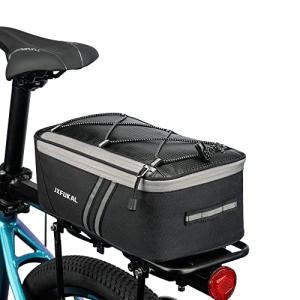
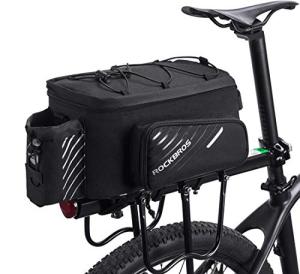
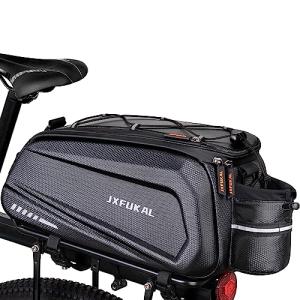
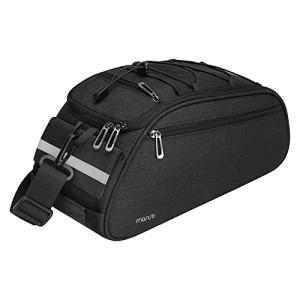
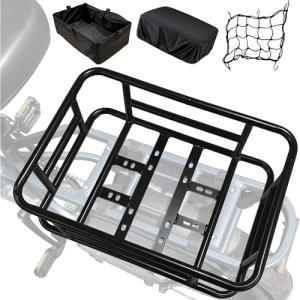
Rear cargo boxes attach to your bike's rear rack, and this is probably the most versatile and accessible category for everyday riders. If you already have a standard bike with a rear rack, you can add a cargo box without buying a whole new machine.
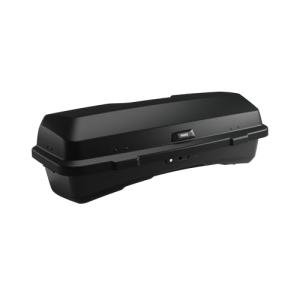
These boxes come in a wide range of sizes — typically anywhere from 10 litres up to around 40 litres for rack-mounted models. They're commonly made from hard plastic (ABS or polypropylene), aluminium alloy, or reinforced composites. Most include a key lock, a waterproof or water-resistant seal, and mounting hardware that clips or bolts to standard rack dimensions.
A well-made rear cargo box is brilliant for commuters. You can toss in your laptop, a change of clothes, lunch, a U-lock, and still have room left over. When you arrive at work, many models allow you to detach the box completely and carry it like a briefcase or bag — a small but genuinely useful feature that eliminates the awkward "do I leave my stuff on the bike?" question.
Integrated Frame Boxes (Cargo Bike Boxes)
Some cargo bikes come with — or are specifically designed to accept — boxes that mount directly to the frame rather than sitting on a rack. These tend to be commercial-grade products aimed at delivery fleets, courier companies, and businesses that put their bikes to serious work every single day.
Brands like Tern produce cargo boxes in the 34-to-275-litre range that bolt directly onto their GSD cargo bike platform, featuring reinforced metal wall structures, lockable lids, and internal shelving for organizing parcels of different sizes. The integration between bike and box at this level is tight enough that the combination effectively becomes a single vehicle, purpose-built for urban logistics.
Foldable and Soft-Sided Cargo Boxes
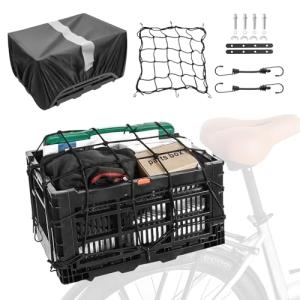
Not every cargo box needs to be a rigid shell. Foldable cargo boxes made from PVC fabric and polypropylene frames are a growing category that deserves more attention. When in use, they function like a proper box — structured sides, interior attachment loops, drain holes in the base. When you don't need them, they collapse down to a few centimetres in thickness and tuck away easily.
These are ideal for riders who use their cargo capacity seasonally or intermittently. You don't have to live with a bulky box on your bike year-round. At around 2 kg and capable of carrying 50–60 kg of load when properly supported with webbing straps, a quality foldable cargo box punches well above its weight.
Key Features to Look For
Shopping for a bike cargo box can feel overwhelming once you start digging into the options. Here are the features that genuinely matter and are worth paying attention to.
Capacity and Load Rating
These two numbers are often listed together but they mean different things. Capacity is the interior volume in litres — how much stuff you can physically fit inside. Load rating is the maximum weight the box is designed to carry safely. A box might have 36 litres of space but a load rating of only 15 kg, so be clear on both before you buy.
For general commuting and grocery runs, 20–40 litres with a 15–20 kg load rating is plenty. For business deliveries or family hauling, you'll want to think bigger — 100 litres or more with a load rating that matches your typical cargo.
Material
Aluminium alloy boxes are strong, lightweight, and corrosion-resistant — generally the best all-round material for rear rack and commercial frame-mounted boxes. Hard plastic (typically ABS) is lighter still and perfectly adequate for most everyday uses, though it's less resistant to heavy impacts over time. Wooden boxes are traditional, attractive, and surprisingly durable, commonly seen on front-loader cargo bikes — though they do require occasional maintenance to keep them weatherproof.
Weatherproofing
Look for boxes with proper gasket or rubber seals around the lid opening. A "water-resistant" label is fine for light rain; if you're riding in genuinely wet conditions regularly, you want something rated as waterproof, with drainage holes at the base as a backup. High-density waterproof seals around the rim make a real difference when you're caught in a downpour with your work laptop inside.
Security and Locking
A basic spring latch keeps the lid from bouncing open on rough terrain, but it won't stop anyone from helping themselves to your belongings. A proper key lock — ideally with a reinforced metal structure around the lock point — is worth the extra cost if you're leaving your bike unattended in public. Some commercial-grade boxes go further with anti-pry metal wall construction and multiple locking points.
Mounting System and Compatibility
This is the practical detail that catches people out most often. Not every box fits every rack, and not every rack can support the weight of a loaded box. Check the mounting dimensions carefully — most rear rack boxes are designed for standard rack widths, but always verify. If you're buying a box for a specific cargo bike model, look for manufacturer-matched accessories; the fit is usually much cleaner and more secure.
Quick-release mounting systems are convenient if you want to detach the box regularly. Bolted systems are more secure for permanent or semi-permanent setups.
Interior Organization
Bare box interiors are fine for loose groceries or bundled deliveries. But if you're carrying a mix of items — tools, documents, electronics, parcels of different sizes — interior shelving, dividers, or attachment loops make a genuinely big difference. Look for loops, D-rings, or rails on the inside walls if you want to use straps or bungees to keep things from shifting.
Who Are Bike Cargo Boxes For?
The honest answer is: more people than you might think.
Daily commuters are the most obvious group. A rear cargo box means no more backpack on the back, no more sweaty shoulders, and no more balancing act with shopping bags hanging off the handlebars. You arrive at work or home looking like a normal person rather than a pack mule.
Families who want to reduce car use have found front-loader cargo boxes transformative. Using a cargo bike with a large front box for school runs, park trips, and weekend errands can genuinely replace a second car for many urban households. The box keeps kids safe and visible, handles sports kit, and still leaves room for the weekly shop.
Small businesses and tradespeople — florists, food vendors, mobile repair technicians, market traders — have been using cargo boxes on bikes for generations. The running costs compared to a van are dramatically lower, and in congested city centres, a well-loaded cargo bike often beats a delivery van on speed as well as sustainability.
Delivery and logistics operators are increasingly deploying cargo bikes with professional-grade boxes for last-mile delivery. The environmental case is obvious, but there's a strong commercial case too: lower fuel costs, no parking fees, and the ability to navigate areas that are closed or heavily congested for motor vehicles.
Weekend adventurers and touring cyclists use smaller cargo boxes as part of a broader carrying system — a lockable rear box for valuables and fragile items, combined with panniers for softer gear. Having one secure, weatherproof container changes how you plan a trip.
Cargo Boxes vs. Panniers and Baskets
It's worth briefly addressing why you'd choose a box over a basket or pannier, since all three categories serve broadly similar purposes.
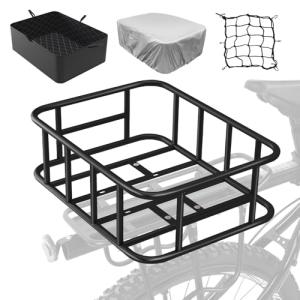
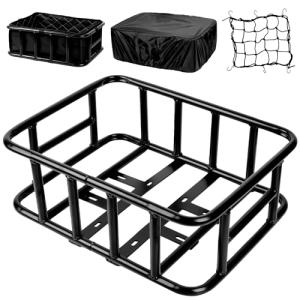
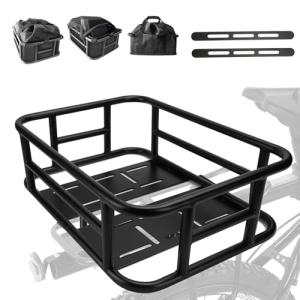
Open baskets are cheap and convenient but offer no weather protection and no security. Fine for a baguette and some flowers, less ideal for a laptop or a week's worth of deliveries in the rain.
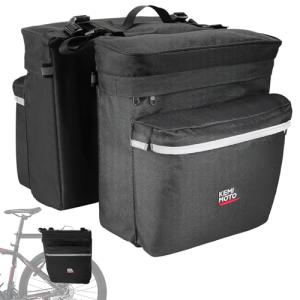
Panniers are flexible, lightweight, and excellent for carrying clothing and soft goods. They're harder to pack tightly with rigid items, don't always lock, and the better waterproof ones can be expensive. They're also softer targets for opportunistic theft.
Cargo boxes solve the problems that baskets and panniers can't: full weather protection, proper security, and a rigid structure that keeps contents organized and undamaged. The trade-off is weight and bulk — a loaded cargo box is heavier and less aerodynamic than panniers. For utility cycling and working use, that trade-off is almost always worth making.
Bike cargo boxes aren't glamorous. They're not the part of cycling culture that gets photographed for Instagram or featured in cycling magazines between photos of mountain passes and carbon fiber frames. But for anyone who wants to genuinely use their bike as a tool for daily life — for commuting, shopping, running a business, or moving through a city with purpose — they're one of the most practical investments you can make.
The right cargo box turns your bicycle from a sporting machine into something closer to a light vehicle. Choose the right format for your bike and your life, pay attention to capacity, material quality, and security features, and you'll wonder how you ever managed without one.