Cruiser bikes are all about comfort and easy rides, perfect for leisurely trips around town or along the beach. With their relaxed seating position and wide tires, you’ll feel stable and secure as you pedal. Whether you’re cruising with friends or enjoying a solo ride, these bikes make every journey enjoyable and stress-free.
Cruiser Bikes
Experience a smooth ride and enjoy the leisurely journey with our stylish cruiser bikes
Product List
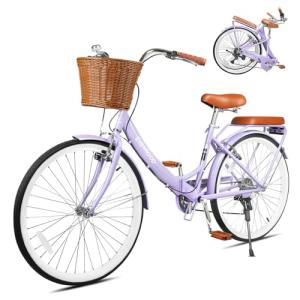
EISYROOD 26Inch Foldable Beach Cruiser Bike f...
Product Review Score
4.17 out of 5 stars
139 reviews$209.00
What Exactly Is a Cruiser Bike?
At its core, a cruiser bike is designed around one idea — comfort first, everything else second. These are upright, easygoing bicycles built for relaxed riding on flat terrain. Think paved bike paths, coastal boardwalks, quiet suburban streets, and Saturday morning rides to the farmers market.
Cruisers trace their roots back to the 1930s, when American manufacturers built heavy, balloon-tired bicycles inspired by motorcycle styling of the era. That retro DNA is still very much alive today. Modern cruisers keep the wide tires, low-slung frames, and swept-back handlebars while adding updated components, better materials, and in many cases, electric motors.
What sets a cruiser apart from other bike categories isn't any single feature — it's the whole philosophy. A road bike is built to go fast. A mountain bike is built to go anywhere. A cruiser is built to make you feel good while you ride. That's a perfectly valid priority, and it's why so many people who haven't ridden a bike in years find themselves falling back in love with cycling after hopping on a cruiser.
Key Features That Define a Great Cruiser Bike
The Riding Position
This is the heart of the cruiser experience. Unlike road bikes that put you in an aggressive, hunched-forward stance, or even hybrids that ask you to lean slightly, cruisers put you completely upright. Your back stays straight, your shoulders stay relaxed, and your arms extend forward to handlebars that curve naturally toward your body. It feels less like riding a bike and more like sitting in a comfortable chair that happens to move.
This upright position dramatically reduces strain on your back, neck, and wrists. For riders who've found other bike styles uncomfortable, the cruiser posture can be a revelation. You can ride for an hour without the neck stiffness or wrist fatigue that often accompanies more aggressive cycling positions.
Swept-Back Handlebars
Those wide, curved handlebars aren't just for show — they're ergonomically thoughtful. By curving back toward you, they allow your arms to rest in a position that mimics your natural relaxed arm hang. There's no reaching, no strain, no awkward extension. Combined with the upright seat, they create a riding experience that feels intuitive from the very first pedal stroke.
Wide, Cushioned Saddles
Cruiser seats are generously sized and often spring-loaded. They're built to support your weight comfortably for longer periods, which makes a meaningful difference on anything longer than a quick five-minute spin. Many are padded with high-density foam or gel, and the wide platform distributes your weight more evenly than the narrow saddles you'd find on performance bikes.
Balloon Tires
Those fat, round tires that give cruisers their distinctive look are doing more than looking cool. Running at lower air pressure than road or hybrid tires, balloon tires flex and absorb road vibrations naturally. Every small bump, crack, or pebble in your path gets softened before it reaches your body. It's a built-in suspension system with no moving parts — simple, effective, and nearly maintenance-free.
Simple Gearing (or No Gears at All)
Many cruisers are single-speed, which means there's nothing to think about gear-wise. You pedal, you move. That simplicity translates to fewer mechanical parts, less maintenance, and a more carefree riding experience. For flat terrain — which is where cruisers shine — you really don't need a wide gear range anyway.
That said, geared cruiser options have become more popular. Models with three or seven speeds give you the relaxed cruiser aesthetic with added versatility for mild hills and varied terrain. If you live somewhere with gentle elevation changes or want the option to pedal faster on longer stretches, a geared cruiser gives you that flexibility without sacrificing the laid-back character of the ride.
Types of Cruiser Bikes
Classic Beach Cruisers
The original and still the most iconic style. Classic beach cruisers feature the sweeping step-through or step-over frame, coaster brakes (where you pedal backwards to slow down), and usually a single speed. They're built for coastal environments and smooth paths, and they look absolutely timeless. If you want pure, uncomplicated cycling enjoyment on flat ground, this is it.
Geared Cruisers
All the visual charm of a beach cruiser, but with the practical addition of multiple gears and hand brakes. These bikes handle a broader range of terrain and are often better suited as everyday commuters. You can tackle a modest hill, ride a little faster when you want to, and stop more confidently with quality hand-operated brakes. A great middle-ground option for riders who want comfort and a bit more capability.
Electric Cruiser Bikes
One of the most exciting developments in the cruiser category over the past few years. Electric cruisers pair the classic comfort and styling of a traditional cruiser with a battery-powered motor that provides pedal assistance when you need it. The result? You get all the relaxed riding feel of a cruiser with the ability to tackle hills, cover longer distances, and arrive at your destination without working up a sweat.
Electric cruisers have genuinely changed the calculus for a lot of riders. Someone who previously ruled out cycling because of hills or fitness concerns now has a realistic, stylish option. Modern electric cruiser models are available at a wide range of price points, and many come equipped with integrated lighting, smart displays, and long-range batteries that make them genuinely practical for daily use.
Who Are Cruiser Bikes Built For?
Cruiser bikes aren't really about demographics — they're about a mindset. That said, certain riders tend to gravitate toward them naturally.
Casual and recreational riders will feel immediately at home. If your goal is fresh air, light exercise, and enjoyment rather than training metrics, a cruiser matches your priorities perfectly.
Returning cyclists — people who haven't ridden regularly since childhood — often find cruisers the most approachable re-entry point. The comfortable position and intuitive controls remove the intimidation factor that more technical bikes can carry.
Commuters on flat terrain who care as much about arriving in good spirits as arriving quickly. A cruiser won't break any speed records, but it'll make the ride itself genuinely pleasant.
Beach and coastal riders where cruisers have always had a natural home. The wide tires handle boardwalks and packed beach paths beautifully, and the salt-resistant materials on quality models stand up well to coastal environments.
Style-conscious riders who want a bike that's as much an aesthetic choice as a practical one. Cruisers come in an extraordinary range of colors, finishes, and designs. Chrome accents, vintage color palettes, custom paint jobs, and bold frame shapes make these bikes genuinely expressive objects.
Customization and Accessories
Part of the enduring appeal of cruiser bikes is how personal they can become. Unlike performance-oriented bikes where modifications usually serve a functional purpose, cruiser customization is often pure self-expression.
A wicker basket mounted to the front handlebars. A retro bell. A rear rack for carrying groceries or a bag. Fenders to keep road spray off your clothes. A wide, colorful saddle cover. Cup holders. Matching grips and saddle combinations. The accessories market for cruisers is deep and varied, and the bikes themselves tend to wear additions naturally — they look like they were born to be personalized.
Frame colors have always been a major draw. Where performance bikes often default to carbon grey or matte black, cruiser manufacturers offer everything from candy red and seafoam green to cobalt blue and cream white. Choosing a cruiser often feels a little like choosing an outfit.
What to Consider Before You Buy
Terrain
This is the single most important practical consideration. Cruisers are at their absolute best on flat, smooth surfaces. If your riding will take you over significant hills regularly, either opt for a geared cruiser or seriously consider an electric model. Using a single-speed cruiser on hilly terrain isn't impossible, but it's not what the bike is designed for and can make riding genuinely frustrating.
Frame Style
Cruisers typically come in two frame configurations: step-over (traditional diamond-style with a higher top tube) and step-through (the swooping low-entry frame that's a hallmark of classic beach cruiser design). Step-through frames are particularly popular for their ease of mounting and dismounting — a genuine practical advantage for riders of any age, especially if you'll be stopping frequently.
Single-Speed vs. Geared
If your terrain is genuinely flat and your rides are leisurely and local, single-speed simplicity is a real virtue. Fewer parts mean less maintenance and a more carefree ownership experience. If you want flexibility — faster pacing, mild hills, longer distances — a three or seven-speed model is worth the small additional complexity.
Electric vs. Traditional
Electric cruisers cost more upfront but open up the category to a much wider range of riders and riding scenarios. If budget allows and you anticipate hills, longer trips, or riding as a practical mode of transport, the electric option is increasingly compelling and well-developed in today's market.
Materials and Build Quality
Steel frames are traditional and give cruisers their characteristic heft and smooth ride. Aluminum frames are lighter and more rust-resistant — an especially meaningful advantage for anyone riding near saltwater. Quality components matter: look at the saddle comfort, the integrity of the brakes, and how well the bike is finished before making a decision.
Caring for Your Cruiser Bike
Cruisers are refreshingly low-maintenance compared to more mechanically complex bikes. Keep the tires inflated to the recommended pressure. Lubricate the chain periodically (or appreciate having a belt drive, which needs none). Check your brakes regularly to make sure they engage firmly. Keep the bike stored out of prolonged rain exposure if possible, especially if it has a steel frame.
For electric cruisers, the additional care involves the battery: charge it regularly, avoid storing it fully depleted, and keep it in moderate temperature conditions when not in use. The motors on quality electric cruisers are generally quite reliable, but keeping electrical connections clean and dry will serve you well over time.
The Cruiser Experience Is About More Than the Bike
There's a reason cruiser riders tend to look so relaxed. These bikes aren't built for performance anxiety or personal records — they're built to remind you that riding a bicycle is, at its core, a pleasant thing to do. The upright position means you see more of the world around you. The comfortable seat means you can ride without checking the clock. The simple operation means your mind can wander to better places.
Cruiser bikes attract a community of people who've made the same choice: to prioritize enjoyment. You see that in the accessories people put on them, in the routes people take, in the general unhurried energy of a rider on a well-loved beach cruiser on a warm afternoon.
Whether you're buying your first bike in twenty years or adding a relaxed option to a garage full of specialty bikes, a cruiser brings something most bikes don't prioritize highly enough — the uncomplicated pleasure of the ride itself. That's worth a lot.