Folding bikes are a game changer for anyone who needs to save space or travel with their ride. They’re compact, lightweight, and easy to carry, making them perfect for city dwellers and commuters. Plus, with so many styles and designs, you can find one that fits your personality and needs effortlessly!
Folding Bikes
Discover the ultimate convenience of folding bikes that make commuting and storage a breeze
Product List
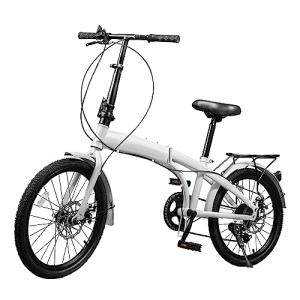
Lzerahera 20 inch Folding Bike Folding Compac...
Product Review Score
4.44 out of 5 stars
75 reviews$172.99
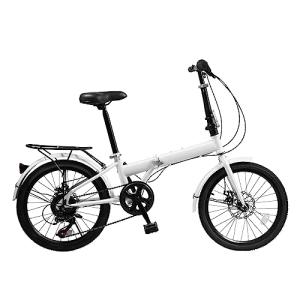
DCEHKR 20-inch Foldable Bike Folding Bicycle...
Product Review Score
4.28 out of 5 stars
106 reviews$159.99
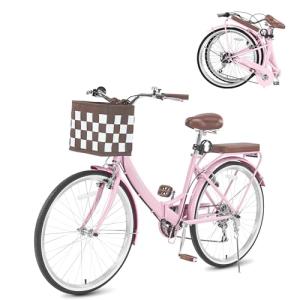
BGGFNZ 24/26 Inch Foldable Beach Cruiser Bike...
Product Review Score
4.1 out of 5 stars
49 reviews$249.00
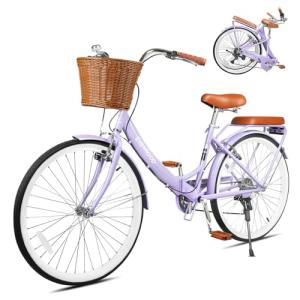
EISYROOD 26Inch Foldable Beach Cruiser Bike f...
Product Review Score
4.1 out of 5 stars
193 reviews$209.00
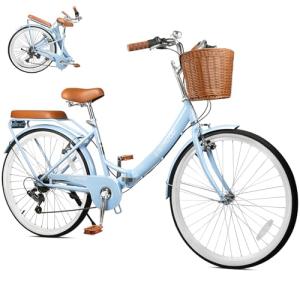
EISYROOD 26Inch Foldable Beach Cruiser Bike f...
Product Review Score
4.39 out of 5 stars
151 reviews$199.00
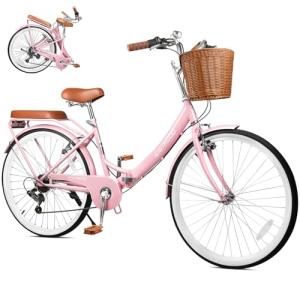
EISYROOD 26Inch Foldable Women Bike, Womens F...
Product Review Score
4.36 out of 5 stars
166 reviews$219.00
EISYROOD 26Inch Foldable Beach Cruiser Bike f...
Product Review Score
4.17 out of 5 stars
139 reviews$209.00
What Is a Folding Bike?
A folding bike is exactly what it sounds like — a bicycle engineered to fold down into a compact shape within seconds. The frame hinges at one or more points, the handlebars drop, the pedals fold in, and suddenly your full-sized ride becomes something you can carry in a bag, stow in a car boot, or tuck neatly into a corner.
Most folding bikes have smaller wheels — commonly 16-inch or 20-inch — which keeps the folded package tight and manageable. But don't let the wheel size fool you. Modern folding bikes ride with surprising confidence and agility, and many riders find them more nimble in urban environments than their full-sized counterparts.
Who Are Folding Bikes For?
The Daily Commuter
If your morning involves a train, a bus, or any kind of public transport, a folding bike is a game-changer. You pedal to the station, fold your bike in under 20 seconds, carry it on board without needing a designated bike carriage, then unfold and ride the last stretch to work. No parking fees. No locking up in the rain and hoping it's still there at 5pm. Just a seamless, door-to-door commute that you actually enjoy.
The City Dweller With Limited Space
Flats aren't getting bigger. If you've ever wrestled a full-sized bike through a narrow hallway or argued with a landlord about storing it in the building corridor, a folding bike is your answer. Folded up, most models take up roughly the same space as a large piece of luggage — perfectly at home in a corner, a wardrobe, or under the stairs.
The Traveller
Folding bikes are practically made for people who love to explore. Pack one in the boot of a campervan, check it onto a flight (many airlines accept folded bikes as oversized baggage for a fraction of the usual fee), or keep one in a hire car for spontaneous rides when you reach your destination. It adds a dimension to travel that's hard to replicate any other way.
The Occasional Rider Who Wants Convenience
Not everyone needs a bike they use every single day. If you ride a few times a week — weekends, the odd lunchtime escape, a school run here and there — a folding bike makes perfect sense. It's easy to get out, easy to put away, and you're far more likely to actually use it when there's no faff involved.
Key Features to Look For
Fold Mechanism
The quality of the fold mechanism matters enormously. The best systems — like the Brompton's mid-fold design or the Dahon's patented hinge systems — are fast, reliable, and lock securely so the bike doesn't rattle or flex when you're riding. Look for clamps and latches that feel solid and don't require tools to operate. A good fold should take no more than 15–20 seconds once you've had a little practice.
Frame Material
Aluminium is the most common choice — it's light, rust-resistant, and affordable. If you're carrying your bike regularly, this is usually the sweet spot between weight and cost.
Steel frames (particularly chromoly steel) offer a slightly more comfortable, absorptive ride and are often found on premium models like Bromptons. They're slightly heavier but incredibly durable, and many riders swear by the ride quality.
Carbon fibre frames are the top of the range — ultralight and very stiff — and they come with a price tag to match. If you're a performance-minded rider who wants the absolute lightest option, carbon is worth considering.
Wheel Size
- 16-inch wheels fold down smallest and are ideal for maximum portability. They accelerate quickly in traffic but require a slightly higher cadence on longer rides.
- 20-inch wheels are the most popular size for folding bikes. They roll more efficiently over longer distances and feel closer to a standard bike, while still folding to a very manageable package.
- 24-inch wheels offer a ride that's almost indistinguishable from a full-sized bike, with a larger folded footprint to match.
Gearing
For flat urban riding, a single-speed or 3-speed internal hub is clean, low-maintenance, and perfectly adequate. If you live somewhere hilly or plan to cover longer distances, look for models with 6, 8, or even more gears. Derailleur gears offer a wider range, while internal hub gears (like Shimano Nexus or Alfine) are sealed from the elements and need very little attention.
Weight
This is often the deciding factor for commuters. A folding bike you'll be carrying up stairs or lifting onto a train should ideally weigh under 12kg. Some premium models come in well under 10kg, which makes a real difference when you're hauling it through a busy station.
Tyres
Wider tyres (32mm and above) absorb road imperfections and give you more confidence on variable surfaces. Narrower, slicker tyres are faster on smooth tarmac. Puncture-resistant options — look for Schwalbe Marathon or similar — are well worth considering for daily commuting, because the last thing you need is a flat on the way to work.
Folding Bike Brands Worth Knowing
Brompton is the gold standard of folding bikes and has been made in London since the 1970s. The tri-fold design creates an exceptionally compact package, the build quality is outstanding, and they hold their value remarkably well. If you're a serious commuter who wants the best, a Brompton is hard to argue against.
Dahon is the world's largest manufacturer of folding bikes and offers an impressive range from entry-level to performance models. They're widely respected for reliable engineering and good value.
Tern produces some of the most thoughtfully designed folding bikes on the market, with a focus on practical commuting and cargo carrying. Their Link and Verge ranges are particularly well-regarded.
Birdy bikes from Pacific Cycles use a full-suspension design that sets them apart — if you ride on rougher urban surfaces, the Birdy's comfort advantage is noticeable.
Raleigh and Claud Butler offer solid, affordable folding bikes for riders who want a dependable ride without a premium price tag.
Electric Folding Bikes
Electric folding bikes — or e-folders — have become one of the fastest-growing segments in cycling. They combine everything that makes a folding bike great with pedal-assist power, making hills effortless and longer commutes genuinely easy.
The challenge is weight. Most e-folders weigh between 15–20kg, which means carrying them up stairs isn't quite as casual as with a standard folder. That said, if your commute involves mostly flat surfaces and you just need to fold and store the bike at either end, an e-folder is a compelling option.
Look for models with battery range that comfortably exceeds your typical journey — ideally with 40km+ of assist — and a motor that engages smoothly rather than in sudden surges. Brands like Brompton (with their P Line Electric), Tern, and GoCycle make excellent electric folders.
How to Choose the Right Folding Bike
Start by thinking about how you'll actually use it:
- How far do you ride? Short hops under 5km favour smaller, lighter, more portable bikes. Longer rides of 10km+ benefit from larger wheels and more gears.
- How often do you fold it? If you fold every single day on public transport, a fast, easy fold mechanism is non-negotiable. If you fold it occasionally to store it, a slightly slower fold is fine.
- How much do you carry it? If you're carrying it up stairs multiple times a day, weight is critical. If you're mainly rolling it to a storage spot, it matters less.
- What's your budget? Entry-level folding bikes start around £200–£300 and are perfectly functional for occasional use. For daily commuting, investing £500–£1,000 gets you significantly better components, durability, and ride quality. Premium models like Bromptons start at around £1,000 and go well beyond.
Caring for Your Folding Bike
Folding bikes are generally easy to maintain, but a few habits go a long way:
Keep the fold mechanism clean and lightly lubricated. Check the hinge clamps occasionally to make sure they're tightening properly. Keep the chain clean and lubed — a dry or dirty chain accelerates wear on your gears. If you store the bike outside, invest in a good cover; the folded hinges can collect water and grit if left exposed.
Most importantly, get a professional service once a year if you're using the bike regularly. A good bike shop will check cables, bearings, brake pads, and tyre wear, and will pick up any issues before they become real problems.
A folding bike isn't a compromise — it's a different kind of bike, designed to do things a standard bicycle simply can't. It meets you where you are: in your flat, on the platform, at the office, in the boot of your car. It removes every excuse not to ride, and that's genuinely valuable.
Whether you're a seasoned cyclist looking for a practical commuter or someone who's never really found a bike that fits their life, a folding bike deserves serious consideration. Browse our range below and find the one that rides home with you.