Built Around a Frame That Refuses to Quit
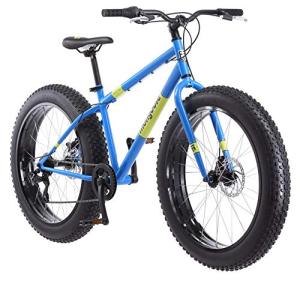
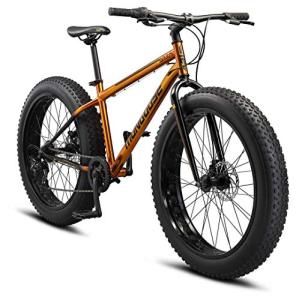
The Mongoose Aztec is built on a durable steel frame with a supersized beach-style geometry that provides plenty of clearance to conquer any terrain. The 18-inch frame size hits a comfortable middle ground for a wide range of riders, and the 26-inch wheels fit riders approximately 5'3" to 6'1" — making this a genuinely unisex platform that lives up to its men's and women's billing.
Steel gets a bad reputation in an era obsessed with carbon fiber and aluminum alloys. But for a fat tire bike that's going to absorb impacts from rocky shorelines, frozen trails, and rutted dirt paths, steel's natural compliance is an asset, not a liability. It absorbs trail chatter, it doesn't crack when you land awkwardly off a root, and it doesn't dent as easily as aluminum when a bike topples over at a campsite. The Aztec's steel construction is one of its quietest strengths.
The cruiser-geometry frame keeps you upright and comfortable rather than hunched over in an aggressive position. Cruiser frame geometry adds a comfortable but athletic riding position — which is a meaningful distinction. You're not just upright and relaxed; you're positioned to shift your weight, take corners with confidence, and push through terrain that demands actual technique. This isn't a boardwalk cruiser dressed up in fat tires. It's a trail machine with a friendly posture.
The Tires: Why Everything Else Follows From Here
If the frame is the skeleton of the Aztec, the tires are its personality. The 4-inch wide knobby tires create a wider contact patch with the ground, providing increased traction on tough trails. That wider footprint changes the physics of how the bike behaves in a fundamental way.
On a standard mountain bike, you're balancing on relatively narrow contact points. Loose sand shifts beneath them. Ice gives them nothing to grip. Wet roots send narrow tires skidding sideways before you've even reacted. The Aztec's 4-inch tires spread the load across a much larger surface area, which means the terrain has to work a lot harder to destabilize you.
The Aztec will crunch through snow, glide over sand, and won't slip in rainy weather — making it a genuine platform for year-round riding. That's not an exaggeration born of product copy. Fat tire bikes have a loyal following in northern climates precisely because they redefine what "rideable conditions" actually means. When a foot of snow sits on your local trail and every other cyclist has hung up their bike until spring, an Aztec rider is still out there.
The 4-inch tires also provide more tire clearance and stability for smooth riding on snowy and sandy trails. On sand specifically, fat tires float rather than dig — a riding sensation that has to be experienced to be understood. The bike doesn't fight the terrain; it negotiates with it.
Shifting, Stopping, and Going: The Drivetrain and Brake Package
The Aztec is a 7-speed bike, and the 7-speed twist shifter provides quick, precise gear changes that feel intuitive even for riders returning to cycling after years away. Seven speeds might sound modest compared to the 11- and 12-speed cassettes on high-end trail bikes, but on a fat tire cruiser designed for moderate terrain, sand, and snow, it's the right number. You don't need a 50-tooth climbing gear when you're rolling along a beach at 10 miles per hour with fat tires doing the stability work beneath you.
The 3-piece crank adds durability to the drivetrain, providing a stiffer power transfer than cheaper one-piece setups and standing up better to the grime and abuse that comes from riding in muddy, sandy, or wet conditions.
The brake package is where the Aztec demonstrates that it was designed with real-world use in mind. This adult bicycle has 26-inch alloy super-wide rims with front and rear disc brakes. Disc brakes on a budget fat tire bike represent genuine value. Rim brakes — still found on some bikes in this category — perform adequately in dry conditions but lose stopping power when wet or muddy. Disc brakes, by contrast, are largely indifferent to weather. Whether you're descending a wet forest trail or braking on a sand hill, the rotors and calipers do their job without drama.
The threadless headset and 3 alloy piece crank round out a component spec that punches above its price tier. The alloy rims keep the rotating weight in check relative to steel alternatives, which matters more on a heavy bike than people often realize — reducing rotational mass is one of the most perceptible performance upgrades you can make.
Real-World Performance: What Owners Actually Experience
The Aztec has accumulated a genuine community of riders who have put it through its paces in real conditions, and their feedback paints a consistent picture.
Riders consistently describe it as the easiest bike they've owned to ride on a beach, with the fat tires doing exactly what they promise on soft, shifting sand. The bike doesn't demand skill to stay upright in loose terrain — it handles the traction management for you and lets you focus on enjoying the ride.
The Shimano index shifters arrive well-adjusted and ready to ride out of the box, which matters more than it might seem. Nothing deflates the excitement of a new bike faster than a drivetrain that needs a tune before the first ride. That the Aztec ships with Shimano components already dialed in is a sign of thoughtful quality control.
Assembly is described as straightforward by most buyers. The bike is durable and easy to assemble straight out of the box, with the packaging providing solid protection during shipping. Mongoose has clearly learned from the kind of shipping damage complaints that plague other budget bike brands.
The weight — around 52 pounds — is the recurring caveat in owner experiences, and it's worth addressing directly. The wide tires create more rolling resistance than a narrow tire bike, and the bike weighs about 40 to 52 pounds, which means the Aztec is not designed for speed. It's designed for stability, durability, and all-terrain confidence. Riders who approach it as a cruiser and trail explorer rather than a racing machine consistently come away satisfied. Those expecting the nimble feel of a lightweight trail bike may need to recalibrate their expectations.
Some riders have noted that the stock seat could be improved, with a small number upgrading to aftermarket saddles for longer rides. This is hardly unusual for bikes in any price bracket — saddle preference is deeply personal, and a comfort upgrade is a $20 to $50 fix at most.
The Red Finish: More Than Just Looks
Color is often an afterthought in bike specs, but the Aztec's red deserves a mention. The striking red frame makes this bike visually stand out in a category that often defaults to black or muted earth tones. On a beach, in a park, or leaned against a trail signpost, the Aztec in red has genuine presence. For a bike at this price point, the paintwork is clean, consistent, and free of the factory defects that sometimes appear on budget bikes. Riders have noted the attractive paint scheme as a notable positive.
How the Mongoose Aztec Compares to Its Closest Rivals
The fat tire budget market has grown considerably, and the Aztec has a handful of notable competitors. Here's how it stacks up:
| Feature | Mongoose Aztec | Mongoose Dolomite | Mongoose Hitch | Kent Trouvaille |
|---|---|---|---|---|
| Frame Material | Steel | Steel | Steel | Steel |
| Wheel Size | 26 inches | 26 inches | 26 inches | 26 inches |
| Tire Width | 4 inches | 4 inches | 4 inches | 4 inches |
| Speeds | 7 | 7 | 7 | 1 (single speed) |
| Shifter Type | Twist shifter | Twist shifter | Twist shifter | N/A |
| Brakes | Front & Rear Disc | Front & Rear Disc | Front & Rear Disc | Coaster/Rim |
| Derailleur | Rear (Shimano) | Rear | Rear | None |
| Rider Height Range | 5'3" – 6'1" | 5'6" – 6'0" | 5'4" – 6'2" | 5'2" – 5'10" |
| Approximate Weight | ~52 lbs | ~57 lbs | ~45 lbs | ~38 lbs |
| Best Use | Beach, snow, trail | Trail, snow | Beach, casual | Casual/flat terrain |
| Price Range | Mid-budget | Mid-budget | Entry-budget | Entry-budget |
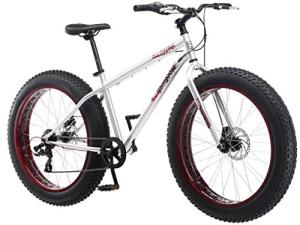
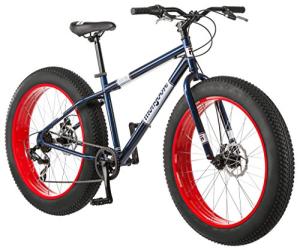
The Aztec holds its own well in this comparison. Against the Dolomite, its closest family sibling, the key difference is the Shimano derailleur on the Aztec and the color options — the Aztec being the slightly more refined choice within the Mongoose lineup at a comparable price. The Hitch is a step down in component quality while the Kent Trouvaille sacrifices gearing entirely, making it suitable only for flat rides.
Who Should Ride the Mongoose Aztec?
The Aztec is the right bike for a specific kind of person. If you live near a beach and want to actually ride on it rather than just beside it — this is your bike. If your winters involve snow-covered paths that shut down your cycling season every November — this is your solution. If you want a single bike that handles casual trail riding, light off-road exploration, and the occasional muddy shortcut home from work — the Aztec handles all of it without complaint.
It's also an excellent first foray into fat tire cycling for riders who want to try the format before committing to a higher-end bike. For the price, the Aztec represents a quite remarkable entry into the world of fat tire off-road biking — and for many riders, it turns out to be all the bike they ever need.
The bold red frame isn't just cosmetic bravado. It signals what the Aztec is: an unapologetically capable machine for riders who show up to every trail, in every season, ready to ride.
View the Mongoose Aztec on Amazon